Tax planning quietly moves more money than most investment decisions, and it's entirely legal when done right. The catch is that the rules are detailed and they change, so the value is in understanding the structure, not memorizing this year's numbers. Reading in order takes you from fundamentals to strategy without getting lost.
Two honest notes before the books. First, tax law changes yearly and varies by country and situation, so confirm anything specific against current rules. Second, these complement, not replace, a qualified CPA or tax advisor for real decisions.
The fundamentals
Start with Taxes made simple by Mike Piper, a short, plain-English grounding in how income tax actually works. Then keep a current annual reference handy: J. K. Lasser's Your Income Tax 2023 by the J.K. Lasser Institute is the comprehensive year-by-year guide (always use the latest edition). These give you the map before the strategy.
Deductions and small-business breaks
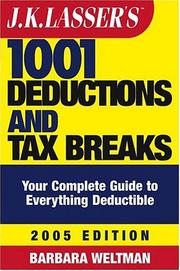
Next, the levers most people miss. J.K. Lasser's 1001 Deductions and Tax Breaks by Barbara Weltman is an accessible catalog of what's deductible, and Home Business Tax Deductions by Stephen Fishman digs into the substantial breaks available to the self-employed and side-hustlers.
Tax-efficient investing and retirement
Now the long game. The Bogleheads' guide to investing by Taylor Larimore covers tax-aware investing, and IRAs, 401(k)s & other retirement plans by Twila Slesnick explains the account types that shelter growth. For strategy, The Power of Zero by David McKnight and Tax-free wealth by Tom Wheelwright argue for structuring toward lower future taxes, best read critically. The tax and legal playbook by Mark Kohler and Retire secure! by James Lange round out entity and retirement planning.
Read in order, you'll spot opportunities and know when to bring in a professional. If growing the underlying assets interests you, the related growth investing path pairs well. Follow the full reading path to work through it step by step.
Follow the full reading path →
Ready to learn something deeply?
Build a reading path — free