Swing trading attracts people with the promise of chart patterns and quick profits, but the uncomfortable truth is that setups are the easy part. Risk management and psychology are what actually determine whether an account survives. Beginners who study only entries — and skip position sizing and their own behavior — usually blow up.
This path builds the technical toolkit first, then the specific swing-trading craft, then the risk and psychology that make it sustainable. A firm caveat: trading carries real risk of loss, past performance guarantees nothing, and these books are education, not financial advice.
Build the technical toolkit
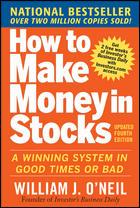
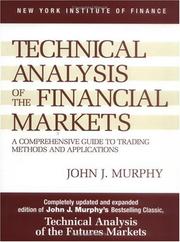
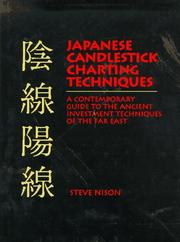
Start with proven methods. How to Make Money in Stocks by William O'Neil lays out the CAN SLIM approach and a disciplined way to think about winners and losses. Technical Analysis of the Financial Markets by John Murphy is the comprehensive reference for chart reading, and Japanese candlestick charting techniques by Steve Nison is the classic on the candlestick patterns swing traders watch daily.
Learn the swing-trading craft
Now the style itself. Swing Trading by Jon Markman introduces the multi-day approach and its logic, and The Master Swing Trader by Alan Farley goes deep on the specific setups and tactics of holding positions for days to weeks.
Master risk and psychology
This is where careers are made or ended. Trade Your Way to Financial Freedom by Van Tharp is the essential book on position sizing and expectancy — the math that keeps you in the game. The New Trading for a Living by Alexander Elder integrates method, money management, and mind. Reminiscences of a Stock Operator, a lightly fictionalized classic, teaches timeless lessons through story, and Trading in the zone by Mark Douglas is the definitive book on the trading psychology that trips up nearly everyone.
Books teach the framework; a written plan, strict risk limits, and honest review are what keep it working. Follow the full path in order — and never risk money you cannot afford to lose.
Follow the full reading path →
Ready to learn something deeply?
Build a reading path — free