House flipping looks like a renovation show, but the money is made long before anyone picks a countertop. It is made by buying right and estimating rehab costs accurately — and lost by getting either one wrong. Beginners who obsess over finishes and ignore the math tend to learn this expensively.
This path builds the mindset and the numbers first, then the deal-finding and renovation systems. One caveat up front: real estate involves real financial and legal risk, and these books complement — not replace — advice from an accountant, attorney, and experienced local investors.
Get the investing mindset
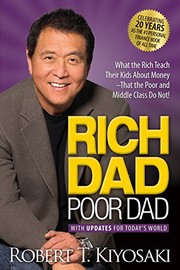
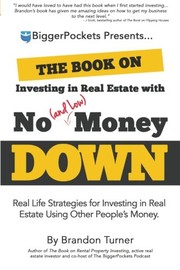
Start with the framing. Rich Dad, Poor Dad by Robert Kiyosaki is the famous, motivating primer on thinking in assets and cash flow — light on specifics but useful for orientation. Then get concrete about financing with The Book on Investing in Real Estate with No (and Low) Money Down by Brandon Turner, which surveys the creative ways deals actually get funded.
Learn to flip and estimate rehab
Now the core craft. The Book on Flipping Houses by J Scott is the standard step-by-step guide to the whole flip process, and its companion The Book on Estimating Rehab Costs is arguably the most important title here — accurate rehab math is what protects your profit. The book on managing rental properties is worth reading too, since many flippers hold some properties as rentals.
Systematize finding and selling
To do this repeatedly, you need systems. Flip: how to find, fix, and sell houses for profit by Rick Villani walks through a full deal end to end. The millionaire real estate investor by Gary Keller zooms out to the wealth-building strategy and mindset behind doing many deals, and FLIP: The System for Finding, Fixing, and Selling Homes offers another structured system for the process.
Books teach the framework; running the numbers conservatively on real local deals is what keeps you solvent. Follow the full path in order, and lean on qualified professionals for the specifics.
Follow the full reading path →
Ready to learn something deeply?
Build a reading path — free