Sufism, the mystical dimension of Islam, resists tidy summary because it lives in poetry, practice, and lineage as much as in doctrine. A newcomer who plunges straight into ecstatic verse can mistake it for vague spirituality; one who reads only scholarship misses the fire that made it matter. The best path holds both together.
Start with clear introductions to the tradition and its place within Islam, then move into the towering mystical poetry, and close with the classic and modern texts that anchor the whole.
Learn the framework
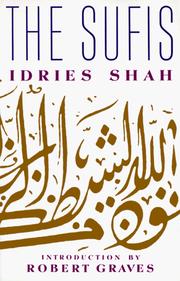
Begin with The Sufis, Idries Shah's influential and wide-ranging introduction, a spirited entry point that opened Sufism to many Western readers. Balance it with Sufism: An Introduction to the Mystical Tradition of Islam, Seyyed Hossein Nasr's authoritative overview, which grounds the tradition firmly within Islam and its scholarship. For the practical and devotional side, The Book of Sufi Healing, Shaykh Hakim Moinuddin Chishti's guide, shows how Sufi practice touches body and daily life, not only metaphysics.
Enter the poetry
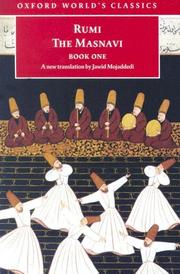
Sufism's genius is its verse, and this is where the path opens up. Conference of the Birds, Farid al-Din Attar's allegory of birds seeking their king, is the perfect narrative introduction to the mystical journey toward the divine. Then come the masters of the Persian tradition: The Masnavi, book one, Rumi's vast spiritual epic, and The essential Rumi, Coleman Barks's popular selection, together offer both the depth and the accessibility of the greatest Sufi poet. The Gift: Poems by Hafiz, Daniel Ladinsky's rendering of the Persian master, adds the wine-and-love imagery that carries Sufi longing, and Songs of Kabir, the verses of the North Indian mystic, shows the tradition crossing into another culture entirely.
Read the classics and synthesize
Deepen the study with The bezels of wisdom, Ibn al-Arabi's demanding masterwork of mystical philosophy, the intellectual summit of the tradition and best read slowly with a guide. Finally, The Heart of Sufism, H. J. Witteveen's warm modern overview, gathers the themes into a coherent whole for the contemporary reader.
Read in this order, Sufism reveals itself as both a rigorous tradition and a living poetry of the heart. Follow the full path from introduction to the classic texts.
Follow the full reading path →
Ready to learn something deeply?
Build a reading path — free