Storyboarding looks like drawing, but it is really visual thinking — deciding what the camera sees, when it cuts, and how a sequence of images tells a story. Plenty of good draftspeople make weak boards because they never learned the language of shots and staging; plenty of clear thinkers stall because they cannot get an idea onto paper fast. The path below builds both, in order: first the theory of visual storytelling, then quick drawing skills, then the craft of composing and directing shots.
Best Storyboarding Books, in Reading Order
July 14, 2026 · 3 min read
Foundations: how images tell stories
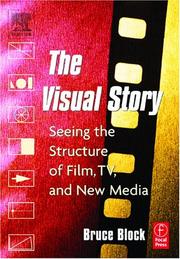
Start with Understanding Comics by Scott McCloud — still the best book ever written on how sequential images convey time, motion, and meaning, and directly applicable to boards. Pair it with The Visual Story by Bruce Block, which breaks down the visual components (space, line, tone, movement, rhythm) that control a viewer's emotion across a sequence. Together they give you the reasoning behind every panel.
Draw fast, draw clearly
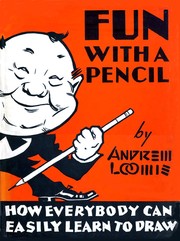
Boards need to be readable, not beautiful, and drawn quickly. Fun With a Pencil by Andrew Loomis is the classic, approachable route to construction and figures — enough drawing skill to get ideas down. Then Framed Ink Drawing And Composition For Visual Storytellers by Marcos Mateu-Mestre is the essential bridge: it is specifically about composing frames for narrative, using contrast and staging to guide the eye. This is the book most storyboard artists point to.
Craft: boarding and directing shots
Now learn the working craft. Prepare to Board! Creating Story and Characters for Animation Features and Shorts by Nancy Beiman teaches storyboarding for animation from story and character outward, and Storyboarding Turning Script To Motion by Stephanie Torta covers the practical process of translating a script into panels.
Finally, go deeper into shot design itself. Film directing shot by shot by Steven D. Katz is the standard on visualizing coverage and staging — the book that teaches you to think in setups. The five C's of cinematography by Joseph V. Mascelli covers camera angles, continuity, and cutting, and Grammar of the film language by Daniel Arijon is the exhaustive reference on how shots combine into coherent scenes. Read in this order, you move from why images work, to getting them down fast, to directing them like a filmmaker.
Study films as much as books
Storyboarding is learned as much from watching as from reading. As you work through Film directing shot by shot and The five C's of cinematography, pause films you love and ask why the camera is where it is, why the cut lands when it does, and how the staging directs your eye. Then board sequences from those films yourself, shot for shot, to feel the decisions from the inside. Speed matters more than polish: fill sketchbooks with fast thumbnails, because a board's job is to communicate a shot clearly, not to be a finished drawing — the composition lessons in Framed Ink Drawing And Composition For Visual Storytellers are worth far more here than rendering skill. Keep the sequential-storytelling thinking from Understanding Comics in mind on every page, since a storyboard, like a comic, only works as a flow of images. The artists who improve fastest board constantly and steal shamelessly from great directors. Follow the full storyboarding path for the stage-by-stage plan, or explore related visual paths.
FAQ
- Do I need to be a good artist to storyboard?
- No — you need speed and clarity, not polish. Fun With a Pencil builds enough drawing skill, and Framed Ink teaches the composition that makes rough boards read clearly.
- Which book is most specific to storyboarding?
- Framed Ink and Prepare to Board! are the most directly on-target, while Film directing shot by shot gives you the shot-design thinking that separates functional boards from great ones.
Get the books
- 1Understanding ComicsAmazon ↗Scott McCloud
- 2The Visual StoryAmazon ↗Bruce Block
- 3Fun With a PencilAmazon ↗Andrew Loomis
- 4Framed Ink Drawing And Composition For Visual StorytellersAmazon ↗Marcos Mateu-Mestre
- 5Amazon ↗
- 6Storyboarding Turning Script To MotionAmazon ↗Stephanie Torta
As an Amazon Associate we earn from qualifying purchases. Some book links are affiliate links; you pay the same price and we may earn a small commission.
Follow the full reading path

Storyboarding basics: books to plan shots like a pro
Beginner9books59 hrs4 stages
@craftsherpa♥ 0
Ready to learn something deeply?
Build a reading path — free