The startup shelf has a cruel irony: read it in the wrong order and it teaches you to build the wrong thing with great efficiency. Founders devour growth-hacking and scaling books while their actual problem is that nobody wants the product. The right reading order mirrors the real order of a company's life — mindset, then validation, then growth, then scale — and refuses to let you skip ahead.
Startup books in the right order: from idea to a company that lasts
July 6, 2026 · 2 min read
Validate before you build before you grow
Our startups path is staged like a company actually grows.
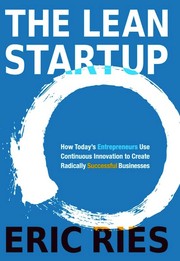
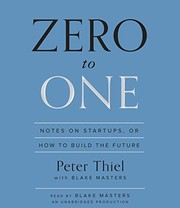
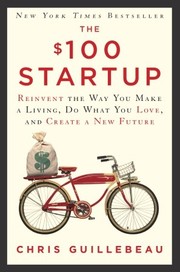
Foundations — the entrepreneurial mindset. Eric Ries's The Lean Startup (build-measure-learn, the validated-learning loop), Thiel's Zero to One (the contrarian case for monopoly and real innovation over copycatting), and Guillebeau's The $100 Startup for the bootstrapper's reality. Mindset before mechanics.
Building and validating — idea to product. This is the stage founders most want to skip and most need. Rob Fitzpatrick's The Mom Test is a short book with an outsized payoff: how to talk to customers so they tell you the truth instead of being nice. Maurya's Running Lean turns it into a system. Read these before you write much code.
Growth and business models. Weinberg's Traction (the 19 channels, and how to find yours), Osterwalder's Business Model Generation, and Nir Eyal's Hooked on building habit-forming products — now that you've confirmed people want the thing.
Scaling and strategy — a lasting company. Andy Grove's High Output Management (still the best management book Silicon Valley has) and Feld's Venture Deals — how funding and equity actually work, so you don't sign away your company in stage one.
One chapter, one action
Startup books rot into procrastination faster than any genre — reading feels like progress while you avoid talking to a single customer. The rule that fixes it: no book advances until you've done one thing from the last chapter in the real world. One customer interview. One landing page. One channel test. The books are a map; the territory is out there.
Around 60 hours, front-loaded with the stuff that saves you from building for a year in the wrong direction. Follow the path or browse the startups hub. Founders should also read the four money books — personal runway is startup runway.
FAQ
- Which single startup book should I read first?
- The Lean Startup for the framework, or The Mom Test if you already have an idea and need to validate it. Both steer you away from the classic mistake of building in a vacuum.
- Are startup books useful if I’m not raising venture capital?
- Very — most of the path (validation, customer interviews, traction, management) applies to bootstrapped and small businesses. Only the Venture Deals stage is VC-specific, and it’s optional.
Get the books
- 1The Lean StartupAmazon ↗Eric Ries
- 2Zero to OneAmazon ↗Peter A. Thiel
- 3The $100 startupAmazon ↗Chris Guillebeau
- 4The mom testAmazon ↗Rob Fitzpatrick
- 5Running leanAmazon ↗Ash Maurya
- 6TractionAmazon ↗Gabriel Weinberg
As an Amazon Associate we earn from qualifying purchases. Some book links are affiliate links; you pay the same price and we may earn a small commission.
Follow the full reading path
How to learn Startups & entrepreneurship
Beginner10books64 hrs4 stages
@worksherpa♥ 0
Ready to learn something deeply?
Build a reading path — free