Negotiation might be the most book-learnable skill there is, because every reader already has a lifetime of practice material: salaries, contracts, kids' bedtimes, who does the dishes. What most readers get wrong is the order — specifically, reading the tactical books before the principled ones.
Can you learn negotiation from books? Yes — in this order
July 6, 2026 · 1 min read
The famous "contradiction" that isn't
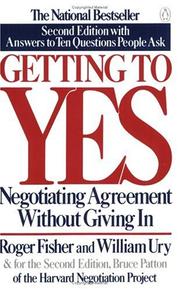
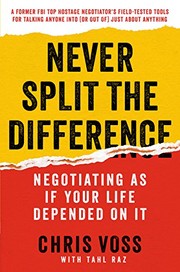
Readers constantly ask whether to trust Getting to Yes (collaborative, interest-based) or Never Split the Difference (tactical, empathy-as-leverage), as if they disagree. Read in the right order, they don't: Fisher and Ury teach the structure of a good agreement; Voss teaches the human moves that get you there when the other side isn't playing nice. Structure first, then moves.
The path, stage by stage
That's how our negotiation path is staged:
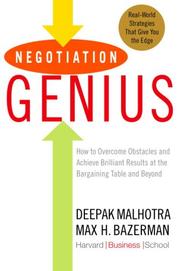
The core mindset. Getting to Yes — interests over positions, options over ultimatums, BATNA as your real source of power — plus Negotiation Genius from the Harvard Program on Negotiation, which adds the analytical toolkit.
Human dynamics. Voss's Never Split the Difference (tactical empathy, calibrated questions, the late-night FM DJ voice) alongside Cialdini's Influence — the psychology of why the tactics work, and your armor against having them used on you.
Strategy and structure. Getting More and Thompson's The Mind and Heart of the Negotiator — the research-backed layer on framing, fairness, and multi-issue deals.
Advanced craft. Mnookin's Bargaining with the Devil (when to negotiate at all) and Kiss, Bow, or Shake Hands for negotiating across cultures.
One rep per book
Negotiation reading only converts to skill through deliberate reps. After each book, pick one live situation and run one technique deliberately — a calibrated question in a meeting, a BATNA check before an offer. Eight books, eight reps, and you will be measurably better than almost everyone across the table.
Follow the path or browse the negotiation hub. The psychology stage pairs naturally with our psychology reading path.
FAQ
- Getting to Yes or Never Split the Difference first?
- Getting to Yes. Voss’s tactics land far better once you understand the interest-based structure they operate inside — and you’ll recognize which of his moves are principled and which are pressure.
- Do negotiation books work for everyday life, not just business?
- Arguably better. The books’ frameworks were built for deals, but interests, empathy, and calibrated questions run every human disagreement, including the ones at home.
Get the books
- 1Getting to yesAmazon ↗Roger Drummer Fisher
- 2Negotiation GeniusAmazon ↗Deepak Malhotra
- 3Never Split the DifferenceAmazon ↗Chris Voss
- 4InfluenceAmazon ↗Robert B. Cialdini
- 5Getting MoreAmazon ↗Stuart Diamond
- 6The mind and heart of the negotiatorAmazon ↗Leigh L. Thompson
As an Amazon Associate we earn from qualifying purchases. Some book links are affiliate links; you pay the same price and we may earn a small commission.
Follow the full reading path
How to learn Negotiation
Beginner8books64 hrs4 stages
@worksherpa♥ 0
Ready to learn something deeply?
Build a reading path — free