Food trucks look like a cheap way into the restaurant business and are not. The truck is the smallest problem: commissary requirements, health department inspections, fire suppression certification, parking regulations, and event fees vary by city and can quietly decide whether your concept is legal where you want to run it. Books get you ready to ask the right questions; they cannot tell you what your county requires.
That is the honest frame for this reading order. Nothing here guarantees a profitable truck, and no book replaces a local health inspector, an accountant, or a lawyer who has read your lease and your permit conditions. What the sequence does is stop you from designing a menu before you know your constraints.
Start with the trade guides
The food truck handbook is the sensible opener — written from inside the New York truck scene, it walks the concept, the build-out, the commissary relationship, and daily service. It is dated in places on apps and social platforms, but the operational spine has not changed.
Read Running a food truck for dummies alongside it. The format is unglamorous and that is the point: checklists for licensing, equipment, staffing, and route planning that are easy to work through with a notebook. These two overlap substantially, so if you want only one, take the handbook for narrative and the Dummies guide for completeness.
Write the plan and understand the law
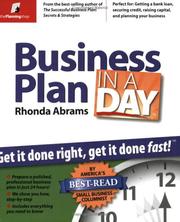
Business Plan in a Day is worth the afternoon it takes. A food truck plan is short, but you need the financial section to be real — startup cost, break-even covers per service, and a cash cushion for the months when weather or a broken generator kills a week of revenue. Rhonda Abrams's templates force those numbers out of your head and onto paper.
Then read Legal guide for starting & running a small business, which covers entity choice, contracts, employees, and liability in plain language. Use it to build your list of questions, not to self-advise: mobile food is one of the most locally regulated small businesses there is, and a book written for a national audience cannot know your municipality's rules.
Start Your Own Food Truck Business rounds out this stage with the Entrepreneur Media treatment — vendor lists, sample budgets, and a broad survey of the market. It is the least distinctive book on the path and the easiest one to skip if the first two guides already answered your questions.
Hospitality, numbers, and getting noticed
Setting the Table is the outlier and the one most operators end up quoting. Danny Meyer's account of enlightened hospitality is about full-service restaurants, but its core argument — that how people feel is the product, and that you hire for emotional skills you cannot train — transfers completely to a service window where you have ninety seconds per customer.
Restaurant Success by the Numbers is where the discipline lives. Roger Fields writes as an accountant: food cost percentages, prime cost, labour ratios, and the arithmetic of whether a location works. Read it before you sign anything. Finish with Jab, jab, jab, right hook, Gary Vaynerchuk's book on platform-native content — the specific networks it names have aged, but the underlying discipline of giving value repeatedly before you ask for a sale is exactly how trucks build a following that shows up when you post a location.
Work the sequence in order and you will make your expensive mistakes on paper. Follow the full path, and see the related hub on opening a coffee shop if a fixed location is still on the table.
Follow the full ordered path here: Best Books on Starting a Food Truck, in Reading Order.