Let us be honest up front: you can not learn Brazilian jiu-jitsu from a book. BJJ is a contact skill learned through thousands of live repetitions with resisting partners under a qualified coach, and nothing on a page substitutes for that. Reading also carries no substitute for the safety habits — tapping early, training with control, protecting your neck and joints — that a good gym drills into you. What books do well is sharpen the mind you bring to the mats: the principles behind the techniques, the mental game, and how skill itself is built. Read in that spirit, and in this order.
Start Brazilian jiu-jitsu: a thinking grappler's reading path
July 12, 2026 · 2 min read
Start with the mind
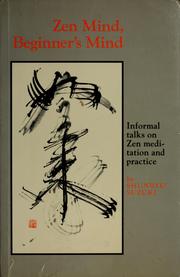
Begin before the grappling, with Zen Mind, Beginner's Mind by Shunryū Suzuki. It sounds unrelated, but the beginner's willingness to be bad, to stay curious, to not grab at progress is the single most useful attitude on a jiu-jitsu mat, and this short classic instills it. Then read Mastery by Robert Greene, which frames the long apprenticeship any physical skill demands — useful armor for the humbling first year when everyone taps you.
Understand how skill is built
Before drilling techniques, understand what drilling does. The Talent Code by Daniel Coyle explains the science of deep practice — why slow, focused, error-correcting repetition builds skill far faster than mindless volume. It will change how you use every round and every drill.
Then the principles of the art
Now the grappling itself, and start with concepts over moves. Mastering the 21 Immutable Principles of Brazilian Jiu-Jitsu by Paulo Guillobel teaches the underlying rules — base, leverage, connection, pressure — that make specific techniques work, so you learn to see structure rather than memorize a hundred moves. Then go deep on the position that defines BJJ: The Guard by Ed Beneville, and its companion Passing the Guard, are detailed technical references for playing and passing guard. Treat these as a supplement to what your coach shows you, not a replacement — walk through the positions on the mat, not just on the page.
Support the body
Grappling is hard on the body, so build durability. Becoming a Supple Leopard by Kelly Starrett is the standard reference on mobility and injury prevention — the maintenance work that keeps you training for years instead of months. And Wrestling for Fighting by Randy Couture adds the takedown and top-control skills that BJJ gyms often under-drill.
How to actually use these
- Train first, read second. Let a confusing position on the mat send you to the book, not the other way around.
- Read the principle books deeply and the technique books as references — look up the specific position you are struggling with.
- Respect the safety basics no book can enforce: warm up, tap early and often, and let go of ego. Injuries, not opponents, end most jiu-jitsu journeys.
For the full staged sequence with study plans, follow the full reading path or start at the BJJ subject hub. For more skill-and-body paths, browse the training paths.
FAQ
- Can I learn Brazilian jiu-jitsu from books?
- No. BJJ is a live contact skill that requires mat time with resisting partners and a qualified coach. Books sharpen your understanding and mindset but can not replace training or teach safe technique.
- What should a BJJ beginner read first?
- Start with mindset and skill-building — Zen Mind, Beginner's Mind and The Talent Code — then move to principle-first grappling books like Mastering the 21 Immutable Principles of Brazilian Jiu-Jitsu.
Get the books
- 1Jiu-Jitsu UniversityAmazon ↗Saulo Ribeiro
- 2Zen mind, beginner's mindAmazon ↗Shunryū Suzuki
- 3Mastering The 21 Immutable Principles Of Brazilian Jiu-JitsuAmazon ↗Paulo Guillobel
- 4The guardAmazon ↗Beneville Ed
- 5Amazon ↗
- 6MasteryAmazon ↗Robert Greene
As an Amazon Associate we earn from qualifying purchases. Some book links are affiliate links; you pay the same price and we may earn a small commission.
Follow the full reading path

Start Brazilian jiu-jitsu: the thinking fighter's path
Beginner9books49 hrs4 stages
@wellsherpa♥ 0
Ready to learn something deeply?
Build a reading path — free