Squash is a game of angles, patience, and lungs. Newcomers think it is about power, then discover that the player who calmly owns the center of the court — the T — runs them into exhaustion. Getting there means clean length hitting, disciplined movement, and a tactical sense of when to attack. None of that comes from swinging harder, which is why an ordered approach beats trial and error on court.
Read the fundamentals first, then the drills and technique that refine them, then the strategy and mental game that let you actually beat someone. Skip to tactics before your straight drive is reliable and the advice has nothing to attach to; you cannot execute a plan you lack the shots for.
Learn the basics
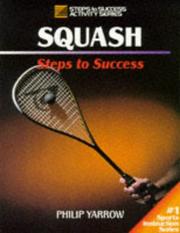
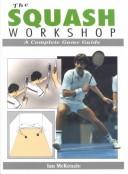
Start with Squash by Philip Yarrow, a clear introduction to grip, the core strokes, the rules, and how a rally is built. Follow it with The Squash Workshop by Ian McKenzie, which turns those basics into practical drills and technical fixes you can take straight to the court. Then Improve Your Squash by Les Pearson consolidates technique for the advancing beginner, giving you a second pass over the fundamentals as they start to click.
Refine strokes and movement
With a foundation set, deepen it. Winning Squash Rackets by Jonah Barrington — from one of the sport's legendary competitors — connects fitness, movement, and shot-making into the complete package the game demands. Secrets of the Squash Court by David Pearson brings a top coach's eye to the details that separate levels, and Squash-the Skill of Game, again from Ian McKenzie, sharpens the skill progressions so your improvement stays structured rather than random.
Master tactics and the mind
Now play the game, not just the shots. The Complete Book of Squash by Jahangir Khan — one of the greatest to ever play — lays out strategy, court positioning, and the championship mindset from the inside. Then The Mental Game of Squash by John Massarella addresses the part that decides tight matches: focus, composure, and handling pressure between points. Under fatigue, the mental game is what holds your technique together.
Follow this order and you will build the shots first, then the geometry of controlling the T, then the head to close out matches. Read the full reading path in sequence, put in the court time, and you will feel the game slow down as your control grows.
Follow the full reading path →
Ready to learn something deeply?
Build a reading path — free