Sports psychology has two distinct literatures that look alike on a shelf. One is written by practitioners for athletes and coaches — routines, scripts, pre-performance checklists. The other is written by academic psychologists testing why any of it works. Read only the first and you collect techniques with no idea which generalise; read only the second and you finish with an interesting model of attention and no idea what to do on Saturday morning.
A note before the list: these books are training aids, not clinical care. Performance anxiety, disordered eating, concussion aftermath, and depression are common in athletes and belong with a licensed clinician or a certified sport psychologist. Nothing here substitutes for that, and any book promising a fix for a mental health condition is overselling.
Start with something you can actually do
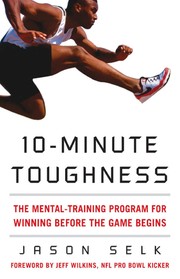
10-minute toughness is the right opener because it is short, concrete, and structured as a daily routine — goal setting, a personal highlight reel, a centering breath, a performance statement. You will not learn the theory, but you will have a working practice within a week, which is what makes the research books that follow feel relevant rather than abstract.
Follow it with The Champion's Mind, which covers similar ground at more length and with more sport-specific examples. If your time is limited, these two overlap enough that you can read one and move on — take 10-minute toughness for a routine you will keep, The Champion's Mind if you want the broader survey.
The research that explains why routines work
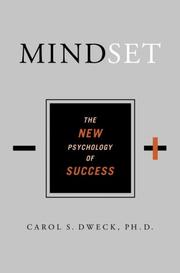
Mindset is Carol Dweck's account of fixed versus growth beliefs about ability, and it is the single most useful frame for interpreting how an athlete responds to a bad result. Read it knowing that the growth-mindset intervention literature has been contested and that effect sizes in replication studies are smaller than early enthusiasm suggested — the descriptive insight holds up better than the classroom interventions did.
Grit, Angela Duckworth's book on sustained passion and perseverance, sits naturally next and has faced a similar debate about how much it adds beyond conscientiousness. Both books are worth reading with that argument in mind rather than as settled science. How Champions Think, from a sport psychologist who has worked with elite golfers and baseball players, brings the same themes back to the field with the practitioner's confidence and less of the citation apparatus.
Pressure, choking, and attention
Here the path gets genuinely technical. Performing under pressure covers the physiology and cognition of high-stakes moments and the specific mistakes people make under them. Choke is the sharper book of the two: Sian Beilock's research on why explicit attention to a well-learned skill degrades it, which explains why the free throw you have made ten thousand times fails at the line. If you read one book on pressure, read this one.
In Pursuit of Excellence returns to the long view — Terry Orlick's work on the habits that sustain performance across a career rather than a single event. Finding flow gives you Csikszentmihalyi's model of the challenge-skill balance, which is the theoretical backbone under a lot of the practical advice you have just read. Close with Mindful Sport Performance Enhancement, which adapts mindfulness training specifically for athletes and offers a structured programme rather than general meditation guidance.
Read in this order and the drills stop being folklore. Follow the full path to keep the sequence, and browse the site's other subject hubs if you want the underlying psychology in more depth.
Follow the full ordered path here: The Best Sports Psychology Books to Read First.
Ready to learn something deeply?
Build a reading path — free