Sound design is a pipeline, not a single skill: you record and create sound, shape it, place it in a scene or a game engine, and finally mix it so it lands. Beginners often jump straight to plugins and skip the recording and design thinking that gives sound its life. A reading order that follows the pipeline keeps you from that mistake.
The path below starts with the craft of capturing and building sound, moves into design theory and interactive audio, and finishes with the mix. Each book sits at one stage.
Record and build sound
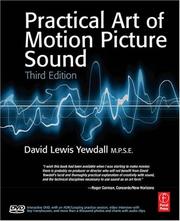
Start with The Practical Art of Motion Picture Sound, a comprehensive grounding in how film sound is recorded, edited, and organized on real productions. The sound effects bible teaches the field-recording and library skills that supply your raw material. For creating sound from scratch, Designing sound introduces procedural, synthesis-based design, and The computer music tutorial is the deep reference on the digital audio techniques underneath all of it. The foley grail rounds out the craft with the art of performing everyday sounds to picture.
Design and think interactively
With raw skills in place, turn to intention and interactivity. Sound Design explores the aesthetics and psychology of sound in storytelling — why a designed soundscape makes an audience feel something. Games add a whole new dimension, and The game audio tutorial is a hands-on guide to implementing audio in a real engine. Game Sound provides the theory and history of interactive audio, and Beep: A Documentary History of Game Sound deepens that context, so your game work rests on understanding rather than imitation.
Mix it together
The final stage is the mix, where every element must sit in balance. Mixing with Your Mind teaches the listening discipline and decision-making that separate a clean, powerful mix from a muddy one. It is a fitting capstone because the best-designed sounds still fail if the mix buries them.
Follow this order and each stage of the pipeline supplies what the next one needs. Follow the full path to move from your first field recording to a fully mixed scene or game level.
Follow the full reading path →
Ready to learn something deeply?
Build a reading path — free