Film scoring is not just composition with a movie attached. It is a craft governed by picture, timing, and the psychology of what music does to an audience, and a strong composer understands all three. Approach it as pure composition and your cues fight the film instead of serving it.
A useful order starts with how music actually functions on screen, moves into the practical scoring workflow, builds the orchestration muscle underneath it, and ends with the realities of a scoring career. Each book below occupies one of those stages.
Understand how music works on screen
Start with Hearing the movies, which teaches you to analyze what a score is doing dramatically — why a cue lands where it does and how it shapes meaning. That analytical ear is the foundation everything else rests on, because you cannot write good film music until you can hear what film music is for.
Learn the scoring craft and workflow
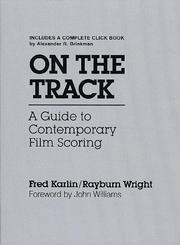
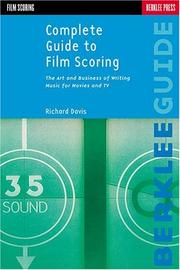
With that grounding, turn to the working process. On the Track is a detailed manual of the film-scoring workflow, from spotting sessions to click tracks and recording. Complete guide to film scoring broadens the view to the business and technique of the profession, and Scoring the Screen dives deep into how master composers use music dramatically, cue by cue. Read together, these move you from analysis into actually building a score.
Command the orchestra
Great cues are only as good as your command of instruments. The study of orchestration is the standard text on how instruments sound and combine, and Orchestration offers a second, complementary treatment of the same craft. For the many media jobs rooted in jazz and pop idioms, Arranging for Large Jazz and Pop Ensembles teaches voicing and arranging for those ensembles. This trio builds the sonic vocabulary a score demands.
Understand the mind and the career
The last arc widens out. Music and the mind explores why music moves us at all, deepening your instinct for emotional scoring. And The Reel World pulls back the curtain on the working life of a media composer — the deadlines, technology, and relationships that define the job. Together they connect the art to the reality of doing it for a living.
Follow this order and scoring stops feeling like guesswork against a video timeline. Follow the full path to move from analyzing scores to writing your own with intention.
Follow the full reading path →
Ready to learn something deeply?
Build a reading path — free