The trap in children's book illustration is treating it as decoration. A picture book is a designed object where words, images, and the turn of the page work together, and the best illustrators think like storytellers before they think like draftsmen. Read the wrong way and you produce pretty pictures that do not carry a narrative.
A good order starts with how words and pictures share the work, builds drawing and character skill underneath it, then moves to page design and the realities of the business. Each book below advances that arc.
Learn how words and pictures tell a story
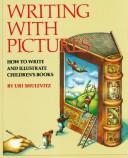
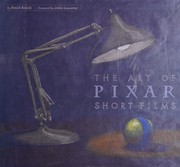
Begin with Writing with pictures, the classic that treats the picture book as a visual narrative form with its own grammar of pacing and page turns. The art of Pixar short films extends that thinking into visual storytelling that compresses emotion into small moments. To design memorable characters, Character Design Quarterly collects working approaches from professional artists, and Drawn to life distills decades of animation teaching about bringing figures to life with feeling rather than mere accuracy.
Build the craft of the page
With storytelling instincts forming, turn to making the book itself. Making Picture Books walks through the practical process of taking an idea to finished spreads. Understanding Comics is a deceptively deep education in how sequential images communicate, and every picture-book maker benefits from it. Illustrating Children's Books is a comprehensive guide to technique, media, and the profession, while Picture this uses simple shapes to reveal how composition creates emotion on the page.
Write, present, and sell the work
The last arc connects illustration to text and career. The Nuts and Bolts Guide to Writing Picture Books teaches the writing side so your images serve a strong manuscript. Show me a story! gathers interviews with celebrated illustrators about how they actually work and think. And The business of illustration covers pricing, contracts, and finding clients — the unglamorous knowledge that lets a talented artist make a living.
Read in this sequence and the picture book reveals itself as a craft of orchestration, not just drawing. Follow the full path to go from a loose idea to spreads you can submit with confidence. These books complement, not replace, the feedback of editors and real submission practice.
Follow the full reading path →
Ready to learn something deeply?
Build a reading path — free