Wine study can feel bottomless: thousands of regions, grapes, and vintages, plus the sensory skill of tasting itself. Aspiring sommeliers who study at random end up with trivia but no framework. The way through is an order that builds a map of the wine world first, then trains the palate, then adds the deep reference and service knowledge the profession demands.
These books complement, not replace, the hands-on tasting and certification (WSET, Court of Master Sommeliers) that a sommelier career requires — but they are the reading spine that makes that practice make sense.
Map the world of wine
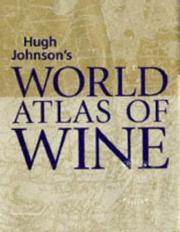
Start with The World Atlas of Wine by Hugh Johnson, the essential region-by-region map that gives every later fact a place to live. Then go deep on the raw material with Wine Grapes by Jancis Robinson, the definitive guide to the varieties behind every bottle. Together they answer the two questions underneath all wine knowledge: where does it come from, and what is it made of?
Train your palate
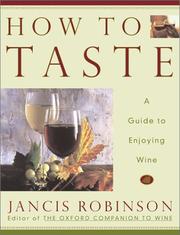
Knowledge is nothing without a trained sense. How to Taste by Jancis Robinson is the practical entry to structured tasting — acid, tannin, fruit, balance. The Taste of Wine by Émile Peynaud, from the father of modern oenology, goes deeper into the science and philosophy of tasting, and Tasting Pleasure, Robinson's memoir, keeps the pursuit human and reminds you why palate training is worth the grind.
Build the reference and go professional
Now assemble the professional's shelf. The Oxford Companion to Wine by Jancis Robinson is the encyclopedia you will consult for a lifetime. Exploring Wine by Steven Kolpan, from the Culinary Institute of America, connects wine to food and service, and Windows on the World Complete Wine Course by Kevin Zraly is the friendly, exam-oriented classic that has launched countless careers. Finally, The Sommelier's Atlas of Taste by Rajat Parr captures how top somms actually think about the wines of the world's key regions.
Read in this order and wine study gains a structure that random tasting never provides. Follow the full path, then pair it with real bottles and certification to turn knowledge into a career.
Follow the full reading path →
Ready to learn something deeply?
Build a reading path — free