Orchestration is the art of turning musical ideas into orchestral sound — knowing each instrument's range, color, and limits, and how they combine. It is learned partly by score study and partly by ear, but the written tradition matters, because the great orchestrators wrote down what they knew. The danger for beginners is reaching for the densest modern text before they have the historical foundations.
A good order starts with the influential historic treatises, moves to the comprehensive modern textbooks, and ends with a focused study of a masterwork. Each stage assumes more musical literacy than the last.
Learn from the historic masters
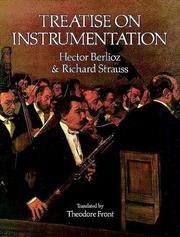
Begin with Treatise on Instrumentation by Hector Berlioz, the founding document of modern orchestration, later revised by Richard Strauss and still full of vivid insight into each instrument's character. Then Principles of Orchestration by Nikolai Rimsky-Korsakov, one of history's supreme orchestrators, teaches through his own scores how to voice chords and balance colors. These two give you the tradition's DNA before you meet the systematic textbooks.
Master the modern textbooks
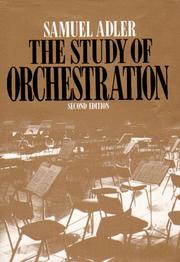
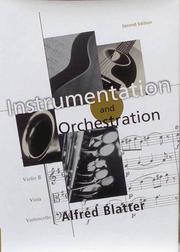
Now build comprehensive command. The Study of Orchestration by Samuel Adler is the standard modern course, thorough and example-rich, covering every section with listening exercises. Instrumentation and Orchestration by Alfred Blatter and Orchestration by Walter Piston offer authoritative alternative treatments, each strong on the practical realities of writing for real players. The Technique of Orchestration by Kent Wheeler Kennan is the compact, practical workbook many programs pair with Adler for hands-on assignments.
Context and a masterwork
Finish with breadth and depth. A Guide to the Orchestra by Adam Carse gives historical context on how the orchestra itself evolved, which sharpens your sense of why conventions exist. Then Rimsky-Korsakov: Scheherazade by David Fanning studies a single, dazzling orchestral showpiece in detail, letting you see the principles you have learned operating in a real, famous score.
Read in this order and orchestration becomes a craft you can practice rather than a mystery. Follow the full path, then score your own music to make the knowledge yours.
Follow the full reading path →
Ready to learn something deeply?
Build a reading path — free