Short-term rental investing looks simple from the outside: buy a place, list it, collect nightly rates. In practice it braids together three different skills — analyzing real estate deals, running a hospitality operation, and building a business that does not depend on you. Read about them in the wrong order and you will polish a listing photo while overpaying for a house that never cash-flows.
A good reading order fixes the sequence: first the numbers and the property, then the guest experience and the listing, then the systems that let you scale. Worth saying up front — books teach the model, but local regulations, financing, and taxes vary enormously, and none of this replaces professional and legal advice for your specific market.
Get the strategy and the numbers right
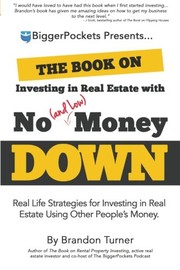
Start with Short-Term Rental, Long-Term Wealth, the clearest primer on how to underwrite an Airbnb specifically rather than treating it like a long-term rental. Pair it with The Book on Rental Property Investing for the fundamentals of buy-and-hold analysis, financing, and cash flow that underpin any rental strategy. When capital is the bottleneck, The Book on Investing in Real Estate with No (and Low) Money Down lays out the creative-financing options honestly, including their risks.
Host well and optimize the listing
Owning the property is half the job; filling it profitably is the other half. Profit Like an Airbnb Host walks through the daily mechanics of running a listing well, and Optimize YOUR Bnb goes deeper on the search-ranking and pricing levers that actually move occupancy and revenue. For the wider context — how the platform reshaped travel and what that means for hosts — The Airbnb Story is a useful, readable backdrop.
Turn it into a business, not a job
The trap of any rental is that it becomes a second job. Buy It, Rent It, Profit! covers the landlord systems — screening, leases, maintenance workflows — that keep operations from swallowing your time. The E-Myth Revisited is the classic on why you should build systems and hire, not do everything yourself, and The 4-Hour Workweek pushes the automation-and-delegation mindset that separates a portfolio from a hobby. Both are philosophy more than tactics, but they reframe how you approach the whole venture.
Read these in sequence and short-term rentals stop feeling like a gamble and start feeling like an operation you can model. Follow the full path to move from your first deal analysis to a rental that mostly runs itself.
Follow the full reading path →
Ready to learn something deeply?
Build a reading path — free