Communities are not built by adding a forum or a chat channel. They form when people feel they belong, share an identity, and get real value from being together — and that is a craft with principles as old as human groups. Start with tools instead of belonging and you get an empty space nobody returns to.
A good order begins with the principles of belonging, moves into launching and growing a community, and ends with the ongoing work of engagement and health. Each book below fits one of those stages.
Understand belonging
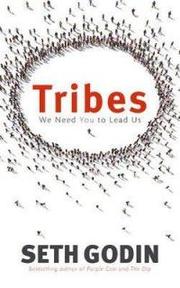
Start with The Art of Community, which distills the timeless principles that make groups cohere — shared values, rituals, and boundaries. Tribes adds the leadership angle: communities need someone willing to connect and guide people around a shared interest. Together they establish that community is about human connection first, technology a distant second.
Launch and grow
With the principles clear, get practical about starting one. Get Together is a hands-on guide to sparking and growing a community from its earliest members. The Business of Belonging connects community to organizational strategy, showing how it drives real outcomes. And Buzzing Communities offers a data-informed framework for building and managing communities deliberately rather than by luck. This cluster takes you from idea to a living group.
Engage and sustain
The hardest part is keeping a community alive and healthy. A Civic Technologist's Practice Guide offers grounded lessons on working with and for communities over time. The well-tempered city widens the lens to how healthy communities and places are designed, a rich source of ideas about belonging at scale. Superfans teaches you to cultivate your most devoted members, and Building Brand Communities focuses on sustaining engaged communities around a shared interest or brand. Together they address the long game.
Work these in order and community building becomes a repeatable practice rather than a hopeful experiment. Follow the full path to move from an empty channel to a group people are glad to belong to.
Follow the full reading path →
Ready to learn something deeply?
Build a reading path — free