"Just set a boundary" is easy advice and hard practice. For many people, saying no triggers real guilt, fear of conflict, or a lifetime of people-pleasing habits. Setting boundaries well means first understanding why it's hard for you, then learning the actual language and follow-through, then holding firm even when it's uncomfortable. This reading order walks that arc.
Read in sequence, these books turn boundaries from a buzzword into a skill you can use with the specific people in your life.
Understand the struggle
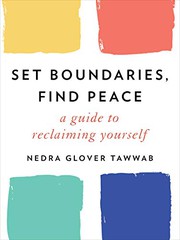
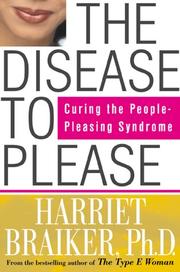
Start with Set Boundaries, Find Peace, a warm, practical modern guide that defines what boundaries are and identifies the patterns that make them hard to set. The Disease to Please names the people-pleasing trap directly — the compulsion to keep everyone happy at your own expense — and The Art of Saying NO focuses squarely on the skill most of us find hardest. Not Nice challenges the deep conditioning that equates being "nice" with being good, which is often the root of the problem.
Do it in practice
Now build the skill. Boundaries is the foundational text on the concept — where you end and others begin, and why healthy limits are an act of care, not selfishness. Adult children of emotionally immature parents explains how boundary difficulties often trace back to family patterns, giving you insight into your own reflexes, and Codependent No More addresses the specific dynamic where your sense of self dissolves into caretaking others.
Hold the line in hard relationships
Boundaries get tested most with the people closest to you. The Gifts of Imperfection supports the self-worth that lets you tolerate others' disappointment, and Nonviolent Communication gives you a way to state limits clearly and kindly, without aggression or apology.
Follow the full path and you'll be able to say no cleanly — and stay warm while doing it.
Follow the full reading path →
Ready to learn something deeply?
Build a reading path — free