Resilience gets romanticized as toughness, but the research describes something more useful: a set of learnable skills and beliefs that let people recover from setbacks and keep going. Grit — sustained passion and perseverance — is closely related. This reading order builds both, moving from the mindset foundations, through recovery from real adversity, to the deliberate stretching of your limits.
Read in order, these books show that resilience isn't a personality you're born with but a capacity you develop.
Build the mindset
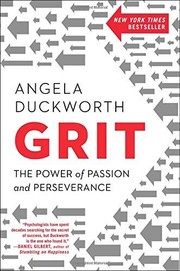
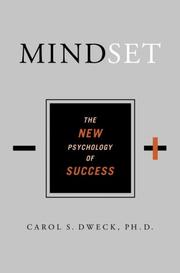
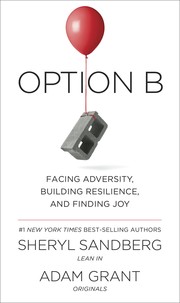
Start with Grit, the research on how perseverance and sustained passion predict achievement more reliably than raw talent — the case for effort over giftedness. Mindset pairs with it perfectly, showing how a growth-oriented belief about your abilities makes you far more resilient to failure. Option B then turns to adversity directly, offering an evidence-based, deeply personal guide to building resilience after loss and hardship.
Recover from adversity
Setbacks are inevitable, so learn to metabolize them. The Upside of Stress reframes adversity as potentially strengthening rather than purely damaging, Resilient offers concrete psychological practices for staying steady under pressure, and Man's Search for Meaning — written from the depths of the concentration camps — remains the most profound testament to the human capacity to endure through purpose.
Push your limits
Finally, learn to stretch. Peak explains the science of deliberate practice — how expertise and capacity are built through structured, effortful work. Can't Hurt Me is a raw, motivational account of pushing past self-imposed limits, and The Obstacle is the Way draws on Stoic philosophy to turn every difficulty into a path forward.
Follow the full path and you'll build resilience the way it's actually built — through mindset, practice, and meaning, not through pretending nothing hurts.
Follow the full reading path →
Ready to learn something deeply?
Build a reading path — free