Social anxiety is one of the most common and most treatable psychological struggles, yet it thrives on shame and avoidance — the very things that keep it going. The good news is that it responds well to structured, evidence-based methods, especially cognitive behavioral therapy. This reading order starts with understanding and self-acceptance, moves into a proven workbook program, and ends with a gentler, mindful relationship with yourself.
A note on care: these books complement therapy rather than replace it, and for significant anxiety, working with a professional alongside them tends to help most.
Understand it without shame
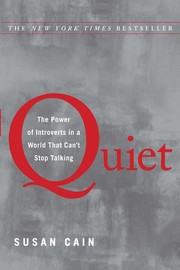
Start with Quiet, which — while about introversion, not anxiety itself — reframes a quieter temperament as a strength, dissolving some of the self-judgment that fuels social fear. The shyness & social anxiety workbook is the practical anchor of this path: a structured CBT program you actually work through. Feeling Good provides the foundational cognitive-therapy tools for the distorted thinking underneath anxiety, and Overcoming social anxiety and shyness offers another well-regarded self-help program for reinforcement.
Work through the anxiety
Now do the work. Dying of embarrassment addresses the specific fears — blushing, being judged, freezing up — with targeted strategies. The mindfulness & acceptance workbook for anxiety brings acceptance-based methods, teaching you to make room for anxious feelings rather than fighting them, which paradoxically reduces their grip.
Build self-acceptance
The lasting shift is toward kindness. The mindful path to self-compassion teaches you to meet your own anxiety with warmth instead of criticism, and How to be yourself — written by a clinician who has treated social anxiety extensively — closes the path with a compassionate, research-based guide to showing up as yourself, awkwardness and all.
Follow the full path and you'll move from avoiding social situations to entering them with tools, and with far less self-judgment.
Follow the full reading path →
Ready to learn something deeply?
Build a reading path — free