Most people pick up the saxophone because they want to play jazz — the wailing solos, the smoky ballads, the improvised lines. But the instrument demands a foundation first: producing a good tone, controlling the breath and embouchure, and reading and executing music cleanly. Jump straight to improvising and you have nothing to improvise with. The right order builds the fundamentals through trusted method books, adds real technical study and etudes, and only then hands you the tools of jazz language and theory. Approached this way, the fun you came for arrives on a foundation that can actually support it. These books pair best with a teacher's ear on your sound, but the sequence keeps you moving.
Best Books to Learn the Saxophone, in Reading Order
July 14, 2026 · 2 min read
Fundamentals and tone
Start with the classic method books that generations of players have used. Rubank Elementary Method for Saxophone by H. Voxman is the standard beginner's course, building tone, reading, and technique step by step. Essential Elements for Band – Saxophone by Tim Lautzenheiser is another excellent, methodical starting course that establishes solid habits. Work these to develop a clean sound and reliable reading — the boring-sounding basics that make everything later possible.
Technique and etudes
Once the fundamentals hold, deepen your control. Rubank Intermediate Method for Saxophone by H. Voxman carries you into more demanding material and keys. Top-tones for the saxophone by Sigurd Rascher teaches the altissimo register and advanced tone control, expanding your range and command. And Melodious Etudes for Saxophone by Marco Bordogni provides beautiful lyrical studies that build phrasing, breath control, and musicality. These turn a competent reader into an expressive player.
Into jazz
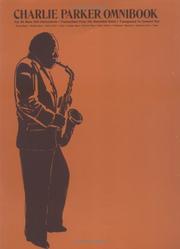
Now the destination — the language of improvisation. Charlie Parker Omnibook transcribes the solos of the greatest bebop saxophonist, the essential text for absorbing jazz vocabulary by learning it directly from the master. Jamey Aebersold Jazz -- How to Play Jazz and Improvise, Vol 1 by Jamey Aebersold is the classic play-along method that teaches you to improvise over changes in real time. And The jazz theory book by Mark Levine is the comprehensive reference for the harmony and theory behind it all — the book you consult for years as your understanding grows.
That is the arc — fundamentals and tone, technique and etudes, then jazz language and theory — each stage earning the next. Follow the full path in order, keep a teacher in the loop on your sound, and the solos you dreamed of will finally have a foundation to stand on.
FAQ
- Can I skip the method books and go straight to jazz?
- It rarely works. Improvising requires tone, technique, and reading first — the very things Rubank Elementary Method for Saxophone builds. Jazz materials like the Charlie Parker Omnibook are far more useful once those fundamentals are in place.
- Do I need a teacher to learn saxophone from books?
- A teacher greatly helps, especially with tone and embouchure, which are hard to self-diagnose. The books provide a strong curriculum, but pairing them with even occasional lessons accelerates progress and prevents ingrained habits.
Get the books
- 1Top-tones for the saxophoneAmazon ↗Sigurd Rascher
- 2Charlie Parker Omnibook Bass-ClefAmazon ↗Charlie Parker
- 3Amazon ↗
- 4The jazz theory bookAmazon ↗Mark Levine
As an Amazon Associate we earn from qualifying purchases. Some book links are affiliate links; you pay the same price and we may earn a small commission.
Follow the full reading path


Learn the saxophone: an ordered reading path for new players
Beginner4books16 hrs3 stages
@craftsherpa♥ 0
Ready to learn something deeply?
Build a reading path — free