Ruby on Rails is built on "convention over configuration," which makes it wonderfully fast once you know the conventions and baffling before you do. Many beginners try to learn Rails without learning Ruby, then spend months confused about where the framework's magic ends and their own code begins.
The order that works is to learn Ruby as a language first, then build with Rails, then layer on the testing discipline the community treats as non-negotiable, and finally absorb the deeper conventions and operational skills that carry an app past its first launch. Each book below occupies one of those steps.
Learn Ruby, then Rails
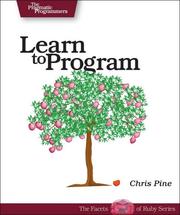
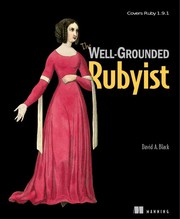
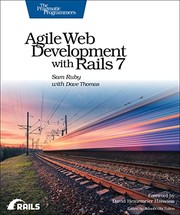
Start with Learn to Program, a gentle first-programming book that happens to use Ruby, so total beginners get their footing. Then The well-grounded Rubyist takes you into the language properly — objects, blocks, and the idioms that make Rails code readable. With Ruby in hand, Agile Web Development with Rails 7 is the canonical framework tour written alongside Rails itself, and Ruby on Rails tutorial offers a famously complete, project-based path that builds a real application end to end.
Adopt testing as a habit
Rails culture treats tests as first-class, and learning that early pays off. Everyday Rails Testing with RSpec is the pragmatic starting point, showing exactly how to test a Rails app without over-engineering. For the philosophy behind it, The RSpec Book covers behavior-driven development and the reasoning that shapes well-tested, well-designed code.
Master conventions, sustainability, and deployment
Once you can build and test, the goal shifts to doing it well over time. The Rails 5 Way is an exhaustive reference to the framework's conventions and APIs that repays repeated visits. Crafting Rails 4 Applications goes under the hood to show how Rails itself works, which demystifies its magic. Sustainable Web Development with Ruby on Rails is the modern voice of the group, full of hard-won advice for keeping a codebase healthy for years. And Docker for Rails Developers closes the loop on getting your app running reliably in production and across a team.
Read in this order and Rails stops feeling like magic you cannot debug. Follow the full path to go from your first Ruby script to a maintainable, well-tested application you can deploy with confidence.
Follow the full reading path →
Ready to learn something deeply?
Build a reading path — free