"Middle Eastern cooking" gathers a dozen distinct cuisines under one banner — Levantine, Persian, Palestinian, and more — bound by shared ingredients but each with its own soul. The pleasure is in learning the common language first, then exploring the regions. Reading in order lets you start cooking quickly, then travel deeper. Read in sequence and the flavors build naturally.
The path moves from accessible modern classics, into specific regional cuisines, and finally into the definitive, culture-spanning references.
Start with the modern classics
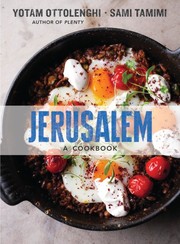
Begin where the food is both dazzling and doable. Jerusalem by Yotam Ottolenghi is the book that brought this cooking into home kitchens everywhere — vibrant, well-taught recipes rooted in a single crossroads city. Plenty by the same author focuses on the vegetable-forward dishes that define so much of the region's everyday eating, an easy and rewarding place to build confidence.
Explore the regions
Now travel. Zaitoun by Yasmin Khan and Falastin by Sami Tamimi both bring Palestinian cooking to life with depth and heart. Persiana by Sabrina Ghayour opens the aromatic world of Persian and broader Middle Eastern food in an approachable way, and Lavash by Kate Leahy explores Armenian cooking and its extraordinary breads. Each deepens a specific tradition within the larger family.
Reach for the definitive references
Finish with the masters. Arabesque by Claudia Roden is a beautiful survey of Middle Eastern and Mediterranean cooking from one of its greatest authorities, and The book of Jewish food by the same author is a monumental cultural and culinary history that traces these dishes across continents. Close with Feast by Anissa Helou, an ambitious reference spanning the foods of the wider Muslim world — a lifetime of cooking in one volume.
Read this path in order and you'll learn the shared language of the cuisine, then explore its distinct regions, then anchor it all with the definitive references. Follow the full path from your first plate of hummus and roasted vegetables to a deep, well-traveled command of Middle Eastern food.
Follow the full reading path →
Ready to learn something deeply?
Build a reading path — free