Almost everyone prepares for birth and almost no one prepares for after. The postpartum period — the "fourth trimester" — brings physical healing, a seismic emotional shift, and steep feeding learning, often all at once and on no sleep.
Reading in order helps you meet each front in turn rather than drowning in all of them. Start with the body and the whole-picture view, then the emotional and mental health, then feeding. These books are chosen to be gentle and grounded, not alarming.
The body and the big picture
Start with The fourth trimester, which frames postpartum as a real recovery period deserving care and rest, covering physical healing and cultural wisdom about this window. Read early, it sets expectations that protect you. The postnatal depletion cure goes deeper on the physical restoration — nutrients, energy, and hormones — for the depleted feeling many parents can't name.
The emotional and mental shift
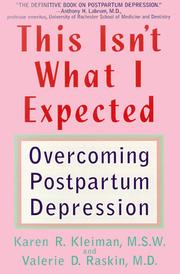
The inner shift is huge and under-discussed. What No One Tells You normalizes the emotional upheaval of new parenthood and introduces "matrescence," the identity change of becoming a mother. This isn't what I expected and Good Moms Have Scary Thoughts address postpartum depression and anxiety with warmth and practical tools — the second is especially reassuring about intrusive thoughts, which frighten many new parents who don't realize how common they are. Read together, they reduce shame and help you spot when to reach for help.
Feeding and the partnership
Feeding is its own learning curve. The womanly art of breastfeeding is the comprehensive nursing reference, while Lactivism offers a thoughtful, less-dogmatic look at the pressures around feeding choices — useful for keeping perspective. And because a new baby reshapes a couple, And baby makes three gives research-based guidance on protecting the relationship through the transition.
An honest and important rail: postpartum mental health can become a medical emergency. If you have thoughts of harming yourself or your baby, persistent hopelessness, or symptoms that worry you, contact a doctor or a crisis line immediately. These books complement — they never replace — professional care.
Follow the full reading path to move through the fourth trimester with support for body, mind, and feeding.
Follow the full reading path →
Ready to learn something deeply?
Build a reading path — free