Trying to conceive can flood you with contradictory advice all at once. A better approach is stagewise: understand your own cycle first, then optimize the health inputs, then — only if needed — learn about challenges and treatment. That order keeps you from jumping to worst-case worries before the basics are covered.
Reading in sequence also builds confidence. You start by knowing when you're actually fertile, which resolves a surprising amount on its own, before layering on nutrition, timing, and medical options.
Learn your cycle first
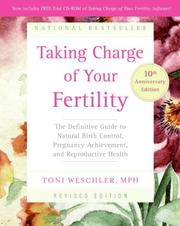
Start with Taking Charge of Your Fertility, 10th Anniversary Edition, the foundational guide to fertility awareness — tracking temperature and signs to know exactly when you ovulate. It's the single most empowering thing to learn first. Period Repair Manual complements it by explaining cycle health and common hormonal issues in plain terms. Together they make your own body legible.
Optimize health before and during
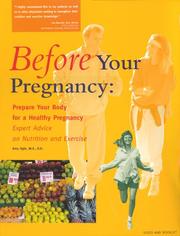
With timing understood, optimize the inputs. Before Your Pregnancy is a thorough preconception checklist for both partners — health, habits, and preparation months ahead. The impatient woman's guide to getting pregnant blends the science with the emotional reality in a warm, evidence-based voice. It Starts with the Egg focuses on egg quality and the research on supplements and environment, while The fertility diet covers nutrition patterns associated with conception. Read together, they cover the controllable factors.
Navigate challenges and treatment
If conception takes time, this stage helps. Pcos SOS addresses PCOS, a common cause of difficulty, with a management approach. The IVF Companion demystifies assisted reproduction so appointments feel less bewildering. The Infertility Cure presents a traditional-medicine perspective some readers explore alongside conventional care, and Conquering Infertility is the compassionate guide to the emotional toll and mind-body coping. Read last, they meet you where the journey gets hard.
A clear honesty rail: fertility is medical, and these books inform but do not diagnose or treat. Some approaches here (supplements, alternative medicine) are less evidence-backed than others — read critically. If you've been trying without success (generally a year, or six months over 35), see a reproductive specialist. The reading complements medical care; it doesn't replace it.
Follow the full reading path to move from understanding your cycle to navigating conception with knowledge on your side.
Follow the full reading path →
Ready to learn something deeply?
Build a reading path — free