The heroic age of polar exploration — roughly 1890 to 1922 — packed more courage, suffering, and sheer human drama into three decades than most centuries manage. Men walked toward places that could kill them in an afternoon, and several of them wrote about it with a clarity that still stops readers cold. It is one of the few subjects where the primary sources are also the literary masterpieces, which shapes how you should read it: start with the greatest narratives, then move to the comparative histories that judge them.
Polar exploration books: the great expeditions in order
July 12, 2026 · 2 min read
Start with the masterpieces
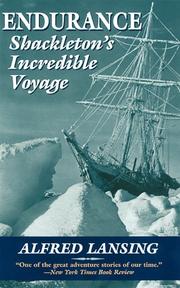
Begin with Endurance by Alfred Lansing, the definitive account of Shackleton's 1914 expedition — the ship crushed by ice, the impossible open-boat journey, every man brought home alive. It is the best possible entry point because it is simply one of the greatest survival stories ever told. Then read The Worst Journey in the World by Apsley Cherry-Garrard, a survivor of Scott's fatal Antarctic expedition, widely considered the finest travel book ever written — the cold comes off the page.
Go to the source itself with South by Ernest Shackleton, the leader's own account, and The South Pole by Roald Amundsen, the victor's plainspoken record of the race Scott lost.
Weigh the histories
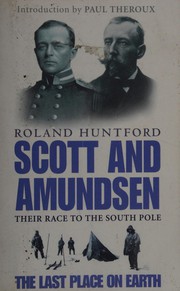
Now that you know the stories, read the historian who reweighs them. The Last Place on Earth by Roland Huntford is the provocative dual biography that recast Amundsen as the professional and Scott as the noble amateur — an argument worth engaging rather than accepting, since it remains contested. His Shackleton is the fuller life of the era's most admired leader.
Widen to the Arctic and the meaning
Balance the Antarctic focus with the north: In the Kingdom of Ice by Hampton Sides tells the harrowing tale of the USS Jeannette, and Ninety Degrees North by Fergus Fleming surveys the long, deadly quest for the North Pole. Finally, step back with two reflective books — Terra Incognita by Sara Wheeler on what Antarctica means now, and I May Be Some Time by Francis Spufford on why the ice gripped the Western imagination in the first place.
How to actually study this
Keep a map of both poles and the routes; the geography is the plot. Read at least one first-person account (South or The Worst Journey in the World) slowly enough to feel the cold and the tedium, because the endurance is the point. And when Huntford's judgments clash with the explorers' own words, notice it — polar history is as much about how we tell heroism as about what happened.
Read them in order on the full reading path, visit the polar exploration hub, or browse Discover to connect it with mountaineering and wilderness survival.
FAQ
- What is the best book on Shackleton?
- Alfred Lansing’s Endurance is the classic narrative; read Shackleton’s own South next, and Roland Huntford’s Shackleton for the full biography.
- Was Scott really a failure compared to Amundsen?
- That view comes largely from Huntford’s The Last Place on Earth and remains debated. Read Amundsen’s The South Pole and Cherry-Garrard’s The Worst Journey in the World and judge for yourself.
Get the books
- 1EnduranceAmazon ↗Alfred Lansing
- 2The Worst Journey in the WorldAmazon ↗Apsley Cherry-Garrard
- 3The last place on earthAmazon ↗Roland Huntford
- 4The South PoleAmazon ↗Roald Amundsen
- 5ShackletonAmazon ↗Roland Huntford
- 6South: the story of Shackleton's 1914-1917 expeditionAmazon ↗Sir Ernest Henry Shackleton
As an Amazon Associate we earn from qualifying purchases. Some book links are affiliate links; you pay the same price and we may earn a small commission.
Follow the full reading path
Endurance reading: the great polar expeditions
Beginner10books122 hrs5 stages
Ready to learn something deeply?
Build a reading path — free