Founders obsess over their pitch deck's slides while missing what actually moves investors: a clear, memorable story, delivered persuasively, aimed at people whose incentives you understand. A beautiful deck for a muddled idea funds nothing.
This path builds in that order — first make the message clear and sticky, then master persuasive delivery and design, then learn how venture funding really works so your pitch fits the room.
Make the message clear and sticky
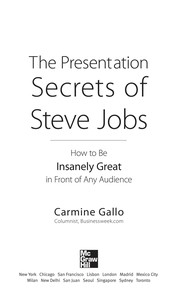
Start with the story itself. Made to stick by Chip and Dan Heath is the essential book on why some ideas are memorable and most are forgotten — the raw skill behind any good pitch. The presentation secrets of Steve Jobs by Carmine Gallo reverse-engineers how to structure and deliver a message that lands.
Persuade and design the deck
Now sharpen persuasion and the visuals. Pitch anything by Oren Klaff brings a distinctive, psychology-driven method for controlling the room during a high-stakes pitch. The storyteller's secret, also by Gallo, deepens the narrative craft. For the deck itself, slide:ology and Resonate, both by Nancy Duarte, are the definitive books on designing presentations and structuring them as stories rather than bullet lists.
Understand how funding works
A pitch aimed at the wrong incentives fails no matter how polished. Venture deals by Brad Feld is the standard explainer of how venture financing and term sheets actually work — read it so you know what investors are really evaluating. The Fundraising Rules offers a practical guide to running a raise, and Secrets of Sand Hill Road by Scott Kupor gives you the VC's-eye view of the whole game from inside a top firm.
Books teach the craft; practicing the pitch out loud and getting brutal feedback is what makes it land. Follow the full path in order to build the story, the delivery, and the fluency together.
Follow the full reading path →
Ready to learn something deeply?
Build a reading path — free