Peruvian cooking is one of the world's great fusion cuisines, layering Indigenous Andean ingredients with Spanish, Japanese, Chinese, and African influences. That richness is the joy of it and also the challenge — ceviche, ají-based sauces, and quinoa can feel unrelated until you learn the pantry and peppers that tie them together.
So the order runs from approachable primers, into the definitive modern references, and outward into the specific ingredients and fusion strands that define the cuisine. Build a base, then follow the threads.
Start approachable
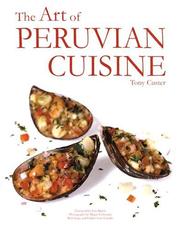
Open with The Food and Cooking of Peru by Flor Arcaya de Deliot, a clear, well-photographed primer that covers the staples without overwhelming you. Add The Art of Peruvian Cuisine by Tony Custer, a beloved, generous collection that ranges across home classics. Together they get you cooking ceviche and Andean staples with confidence.
Study the modern authorities
Now the books that put Peru on the global map. Peru: The Cookbook by Gastón Acurio is the comprehensive national reference from the chef most responsible for the cuisine's rise, and Ceviche: Peruvian Kitchen by Martin Morales focuses on the dish everyone wants to master, with the techniques to do it well. This is the core of the path.
Follow the threads
Finally, explore what makes Peruvian food singular. Peppers of the Americas by Maricel Presilla is the deep reference on the ajíes at the heart of nearly every sauce, and The Quinoa Bible by Patricia Green covers the Andean grain in depth. Trace the Japanese-Peruvian fusion with Nikkei Cuisine by Luiz Hara, then see the cuisine's cutting edge in Central by Virgilio Martínez, one of the most celebrated restaurant books of the era.
Read in order and the fusion stops feeling random and starts feeling inevitable. Follow the full Peruvian cooking path for the staged study plan.
Follow the full reading path →
Ready to learn something deeply?
Build a reading path — free