Persian literature is unusually hostile to the random-sampling approach. The classical poets write inside a shared symbolic vocabulary — the wine, the beloved, the nightingale, the tavern — that carries mystical, erotic, and political meanings at once, and every later writer is answering the earlier ones. Open Hafez cold and you get pretty lines with the machinery hidden.
The other complication is translation. There is a real gap between scholarly renderings that track the Persian and popular versions that are closer to free adaptation, and this matters most for Rumi, whose English fame rests largely on the latter. Knowing which kind you are holding changes what you can conclude from it.
Build the ground first
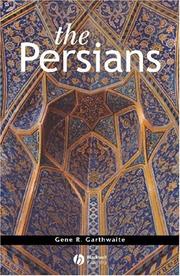
Start with The Persians by Gene Garthwaite, a compact history from the ancient empires to the modern state. Persian literature is soaked in dynastic history, Zoroastrian inheritance, the Arab conquest, and later Shia identity, and none of that is explained inside the poems. Then read An introduction to Persian literature by Reuben Levy for the map of the tradition itself: who wrote when, which forms mattered, and how the ghazal, the masnavi, and the epic differ in what they are trying to do.
The classical core
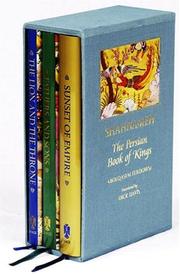
Shahnameh is the anchor. Ferdowsi's Book of Kings, completed around 1010 and running to some fifty thousand couplets, is the national epic and the reason so much Persian is recognizably Persian rather than Arabized. Read it in a good abridged translation first; the Rostam cycle and the tragedy of Rostam and Sohrab are where most readers are hooked. The path also lists Fathers and Sons under Ferdowsi's name — take it as a shorter route into the same father-and-son material if the full epic feels forbidding.
Then Rumi, and here you have a choice. The Masnavi, book one gives you the actual didactic epic, with its nested teaching stories and its Sufi argument, in a form that respects the structure. The essential Rumi is the famous popular selection, which is why Rumi is the best-selling poet in America but also why the version most readers know is smoother, more secular, and less Quranic than the original. Read the Masnavi if you want the poet; read the selection if you want the anthology everyone quotes. If you only have room for one, take the Masnavi.
Round out the classical stage with The poems of Hafez. Hafez is the household poet of Iran — still used for bibliomancy, still memorized — and his ghazals compress ambiguity to the point where the same line reads as devotional or drunken depending on where you stand. Read a handful at a time.
Modern Iran, in prose and pictures
The modern stage begins with The Blind Owl by Sadeq Hedayat, the strange, feverish 1937 novella that broke Persian prose open and still divides readers between masterpiece and morbid curiosity. Then Savushun by Simin Daneshvar, the first novel published by an Iranian woman, set in Shiraz during the Allied occupation of World War II and quietly devastating on how occupation reshapes a household.
My Uncle Napoleon by Iraj Pezeshkzad is the comic counterweight — a beloved satire of a Tehran family ruled by a patriarch convinced the British are behind everything, and the source of catchphrases still in circulation. Finish with Persepolis 1-4, Marjane Satrapi's graphic memoir of growing up through the revolution and the Iran-Iraq war, which is the most accessible book on this list and lands much harder once you know what came before it.
Readers moving on often go to other national literature paths next. Follow the full reading path to take these in order.
Follow the full ordered path here: Persian Literature: The Best Books to Read First.