Perfectionism disguises itself as a virtue while quietly driving procrastination, anxiety, and burnout. Because it's tangled up with self-worth, you can't just "try harder" to fix it — that's more perfectionism. The way through is a reading order that starts with understanding and self-worth, builds self-compassion and a healthier relationship with failure, then changes the concrete habits.
Reading in sequence matters here because the mindset shifts have to precede the behavior change, or the behavior change becomes one more standard to perfect.
Understand it and reclaim self-worth
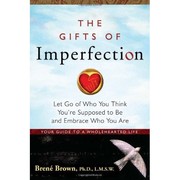
Start with The Gifts of Imperfection, which reframes perfectionism as a shield against shame and makes the case for "wholehearted" living instead. Pair it with Self-Compassion, the antidote to the harsh inner critic that perfectionism runs on — treating yourself with kindness is the foundation everything else stands on. Read together, they loosen the grip of "I am what I achieve."
Build mindset and befriend failure
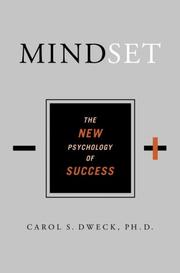
Now change your relationship with failure. Mindset shows how a "growth" view of ability turns setbacks into information rather than verdicts — directly disarming perfectionism. Daring Greatly makes vulnerability and imperfect action feel courageous rather than dangerous. And Feeling Good supplies the CBT tools to catch and challenge all-or-nothing, "not good enough" thinking. These reframe the fear that keeps perfectionists stuck.
Change the daily habits
Finally, get practical. The Perfectionism Workbook is a structured, exercise-driven program for identifying perfectionistic patterns and building healthier standards — the applied heart of this path. Complete Courage to Be Disliked Duology Boxed Set offers a philosophical, dialogue-based challenge to living for others' approval. And Atomic Habits helps you replace all-or-nothing thinking with small, sustainable progress — the practical opposite of perfectionism. Read last, they turn insight into daily practice.
A brief honesty note: when perfectionism drives serious anxiety, depression, or eating problems, or you can't function, a therapist can help more than any book — CBT and ACT are especially effective. These books complement that care; they don't replace it.
Follow the full reading path to move from the pressure of "never good enough" toward standards that free you instead of trap you.
Follow the full reading path →
Ready to learn something deeply?
Build a reading path — free