Eating disorders are widely misunderstood as vanity or willpower problems when they're serious mental illnesses. A thoughtful reading order helps by starting with lived experience and understanding, moving to the cultural forces that feed these illnesses, and ending with recovery tools and support for loved ones. That progression builds compassion before it offers strategy.
Reading in sequence matters here because understanding has to come before change — for the sufferer and for the family trying to help.
Understand through lived experience
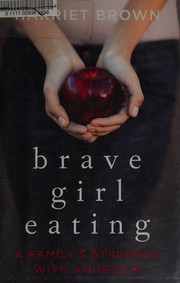
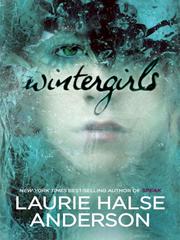
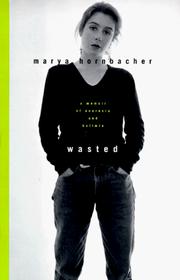
Start with the accounts that make the illness real. Brave girl eating is a father's account of his daughter's anorexia and family-based treatment — clarifying for parents. Wintergirls renders the interior experience in fiction with painful accuracy, and Wasted is a searing memoir of anorexia and bulimia. Decoding Anorexia adds the science of what the illness does to the brain and body. Read together, they replace stereotypes with understanding.
Question the culture
Eating disorders don't grow in a vacuum. The beauty myth : how images of beauty are used against women dissects the cultural pressures that fuel body hatred. Health at every size challenges weight-centric thinking with a weight-inclusive alternative, and The eating disorder sourcebook provides a comprehensive, factual overview of types, causes, and treatments. Reading these loosens the grip of the diet-culture logic that keeps disorders alive.
Learn recovery and how to help
Finally, the tools. Life Without Ed offers a widely loved recovery framework of separating yourself from the disordered "voice." Intuitive eating teaches rebuilding a peaceful, trusting relationship with food and hunger. Eating in the Light of the Moon uses story and metaphor for healing, and Skills-based caring for a loved one with an eating disorder equips families and partners to help without harm. Read last, they turn understanding into recovery.
A firm and urgent honesty rail: eating disorders have the highest mortality of any mental illness, and recovery almost always requires a professional team — physician, therapist, and dietitian. These books are valuable support and understanding, but they are not treatment. If you or someone you love is struggling, please contact an eating-disorder helpline or a clinician now. The reading complements care; it never replaces it.
Follow the full reading path to move from understanding eating disorders toward recovery and real support.
Follow the full reading path →
Ready to learn something deeply?
Build a reading path — free