Dialectical behavior therapy (DBT) is one of the most useful skill sets in modern psychology — mindfulness, distress tolerance, emotion regulation, and interpersonal effectiveness — but its clinical manuals can be dense and intimidating for a beginner. The fix is to read in order, starting with a plain-language guide and building toward more depth.
This short path takes you from a clear overview, to applying the skills to overwhelming emotions, to the clinical context. Read this way, DBT stops being jargon and becomes tools you can actually use.
Start with a clear overview
Begin with Dbt Made Simple A Stepbystep Guide To Dialectical Behavior Therapy, which does exactly what its title promises — it distills the four skill modules into an accessible, well-organized introduction. Reading it first gives you the map: what DBT is, where each skill fits, and how the pieces connect. It's the foundation everything else builds on.
Apply the skills to hard emotions
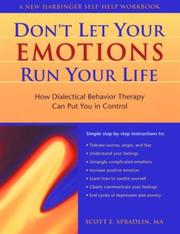
With the overview in hand, get practical about the emotions that drive impulsive or self-defeating behavior. Don't let your emotions run your life turns core DBT skills into concrete exercises for managing anger, anxiety, and overwhelm in daily life — the applied heart of this path. Work through it with a pen; DBT is learned by practicing skills, not by reading about them.
Understand the clinical context
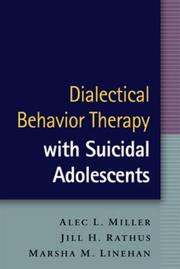
Finally, see where DBT came from and how it's used in treatment. Dialectical behavior therapy with suicidal adolescents shows the therapy in its original, high-stakes clinical setting, which deepens your respect for how the skills are meant to be delivered and supported. Read last, it's context that makes the self-help skills more meaningful — and clarifies where professional care is essential.
An honest rail worth stating plainly: DBT was developed for serious conditions, including chronic suicidality and borderline personality disorder, and full DBT is delivered by trained therapists in a structured program. These books teach genuinely useful skills anyone can benefit from, but they complement professional treatment — they don't replace it. If you're struggling with self-harm or suicidal thoughts, please reach out to a clinician or crisis line now.
Follow the full reading path to move from a plain-language intro to DBT skills you can practice every day.
Follow the full reading path →
Ready to learn something deeply?
Build a reading path — free