Pen and ink is the most honest drawing medium: there is no erasing, no blending away a mistake. Every line is a commitment, and tone is built entirely from marks — hatching, crosshatching, stippling. That permanence is why so many beginners freeze. The fix is to learn to see and construct accurately before you worry about ink technique, then master the mark-making systems deliberately. The path below moves from foundational skills, through ink-specific technique, into rendering and applied practice.
Best Pen-and-Ink Drawing Books, in Reading Order
July 14, 2026 · 2 min read
Foundations: line, seeing, and construction
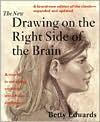
Start with Pen & Ink Drawing: A Simple Guide by Alphonso Dunn — clear, practical, and the most-recommended entry point for line quality and basic hatching. Beside it, work through The New Drawing on the Right Side of the Brain by Betty Edwards, the classic that retrains how you perceive edges, spaces, and proportion; accurate seeing is what keeps permanent ink from going wrong. Then apply Dunn's technique in his Pen and Ink Drawing Workbook, which turns the concepts into structured, hands-on exercises.
Core: ink technique and drawing skill
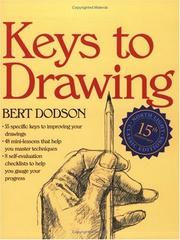
Deepen the craft with The Art of Pen and Ink by Barry Moser, which treats ink as a serious expressive medium and raises your sense of what is possible. Broaden your underlying drawing ability with Keys to Drawing by Bert Dodson, a widely loved book on the habits and methods of drawing anything from observation — skills that make your ink subjects believable.
Depth: rendering and applied practice
Now push into full tonal rendering. Rendering in pen and ink by Arthur Leighton Guptill is the definitive classic on building value, texture, and form with ink — the reference serious pen-and-ink artists keep for life. Round out your range with Drawing Nature For The Absolute Beginner by Mark Willenbrink for organic subjects, The Illustrator's Eye by John Raynes for composition and observation aimed at illustration, and Sketching by Koos Eissen to keep a fast, loose habit alongside the careful rendering.
Worked in this order, you learn to see, then to control the pen, then to render — so that ink's permanence becomes an asset rather than a threat.
Drill marks, then draw daily
Ink rewards two habits above all: deliberate mark-making practice and volume. Before rendering a real subject, fill pages with hatching, crosshatching, and stippling at different densities until you can produce a smooth gradient of value on command — the tonal control in Rendering in pen and ink depends entirely on this vocabulary of marks. Then draw every day, even briefly. The confidence to commit a permanent line only comes from having drawn thousands of them, and a quick daily habit fed by Sketching by Koos Eissen builds that nerve faster than occasional careful pieces. Work from life and photos rather than copying other ink drawings, so your seeing keeps improving alongside your technique — this is where The New Drawing on the Right Side of the Brain keeps paying off. And embrace mistakes as information: since you cannot erase, each wrong line teaches you exactly what to do differently on the next page. Follow the full pen-and-ink path for each stage's study plan, or explore related visual paths.
FAQ
- Which pen-and-ink book should a beginner start with?
- Pen & Ink Drawing: A Simple Guide by Alphonso Dunn is the standard recommendation, ideally paired with its companion Pen and Ink Drawing Workbook for structured practice.
- Do I need to learn general drawing first?
- It helps enormously. The New Drawing on the Right Side of the Brain and Keys to Drawing build the seeing and construction skills that keep permanent ink lines accurate.
Get the books
- 1The New Drawing on the Right Side of the BrainAmazon ↗Betty Edwards
- 2Pen and Ink Drawing WorkbookAmazon ↗Alphonso A Dunn
- 3Keys to drawingAmazon ↗Bert Dodson
- 4Rendering in pen and inkAmazon ↗Arthur Leighton Guptill
- 5Amazon ↗
- 6Drawing Nature For The Absolute BeginnerAmazon ↗Mark Willenbrink
As an Amazon Associate we earn from qualifying purchases. Some book links are affiliate links; you pay the same price and we may earn a small commission.
Follow the full reading path

Pen-and-ink drawing: books to master line and crosshatching
Beginner7books36 hrs5 stages
@craftsherpa♥ 0
Ready to learn something deeply?
Build a reading path — free