Birds are the gateway animals of natural history: abundant, visible, and endlessly varied. That accessibility can hide how deep the science goes, from evolutionary theory to neuroscience to the physics of flight. Read at random and you get scattered facts; read in order and the backyard observations build into a real understanding of how birds live and why.
The path below starts with behavior and identification, moves into evolution and cognition, and ends with a comprehensive textbook and the specialized topics that reward it.
Watch and identify
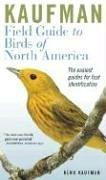
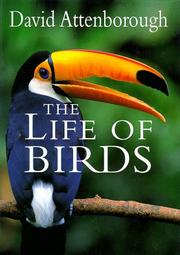
Begin with The Sibley guide to bird life & behavior, which pairs superb illustration with clear writing about how birds actually live, molt, migrate, and court. Kaufman Field Guide to Birds of North America gets you identifying real species in the field with a beginner-friendly approach. The life of birds by David Attenborough is the narrative companion, a sweeping and vivid introduction to bird behavior worldwide that makes you want to learn more.
Evolution and the mind
Next, dig into the ideas that explain what you are seeing. The beak of the finch by Jonathan Weiner tells the story of evolution observed in real time on the Galápagos, one of the great science books. The genius of birds by Jennifer Ackerman surveys avian intelligence and cognition, upending old assumptions about small brains. Bird sense by Tim Birkhead explores how birds perceive the world through senses unlike our own, and Birdsong by Don Stap follows the science of how and why birds sing.
Go deep
The final arc is the formal science. Ornithology by Frank Gill is the standard university textbook, the single reference that ties the whole field together. The Ecology of Birds focuses on how birds fit into their environments and populations. Bird migration by Alerstam is the definitive account of one of nature's great phenomena, Avian architecture by Goodfellow decodes the engineering of nests, and The rise of birds by Chatterjee traces their deep-time origins from dinosaurs.
Read in this order and birdwatching deepens into ornithology. Follow the full path from the feeder to the frontiers of the field.
Follow the full reading path →
Ready to learn something deeply?
Build a reading path — free