Organizational behavior is the study of how people act inside organizations — individually, in teams, and as a whole system. It rewards a bottom-up reading order: understand what drives a single person, then how people cooperate in groups, then how culture and power shape everything, and finally how to see the organization as a system.
This path follows exactly that ascent. Start with the individual, scale to the team, widen to culture and politics, and end with the systems view that ties it all together. Each level reframes the one before it, which is why the sequence matters more than in most subjects.
Start with the individual
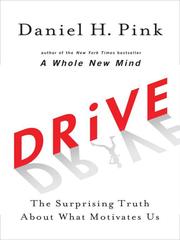
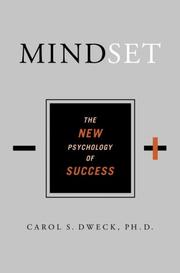
Begin with Drive by Daniel Pink, which overturns the carrot-and-stick view of motivation with autonomy, mastery, and purpose. Pair it with Mindset by Carol Dweck, whose fixed-versus-growth distinction explains how people respond to challenge and feedback. Then First, break all the rules delivers Gallup's evidence on what great managers actually do differently — the bridge from understanding people to leading them.
Scale up to teams
Groups behave unlike individuals. The Five Dysfunctions of a Team by Patrick Lencioni names the predictable ways teams fail, from absent trust to inattention to results. TEAMING by Amy Edmondson introduces psychological safety and the skill of coordinating on the fly — foundational modern research on how teams learn.
Widen to culture and power
Now the forces that shape the whole. ORGANIZATIONAL CULTURE AND LEADERSHIP by Edgar Schein is the definitive model of how culture forms and changes beneath the surface. An Everyone Culture by Robert Kegan profiles organizations built around adult development. And Pfeffer on Power is the unsentimental counterpoint — Jeffrey Pfeffer on how influence really operates, whether or not it's fair.
See the whole system
End with the systems lens. The Fifth Discipline by Peter Senge popularized the learning organization and systems thinking as management practice. Thinking in systems by Donella Meadows is the clearest primer anywhere on stocks, flows, and feedback loops — the mental model that reframes every earlier chapter as part of one interacting whole.
Read from the individual up to the system and the field coheres. Follow the full path to keep the levels in order.
Follow the full reading path →
Ready to learn something deeply?
Build a reading path — free