Corporate governance sounds abstract until a scandal makes it concrete. Boards, shareholders, executives, and regulators form a system of checks that either works quietly or fails loudly. To understand it, you need both the theory of who owes what to whom and the lived reality of how boards actually behave.
This path braids three strands: foundational frameworks, the practical craft of serving on and leading a board, and case studies of what happens when governance breaks down. Reading the theory first lets the cautionary tales land with full force. The debates here are genuine, so the path presents competing views rather than a single doctrine.
Build the framework
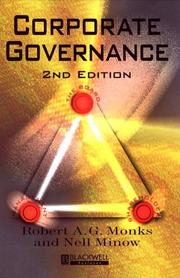
Start with Corporate governance by Robert Monks, a foundational survey of the roles, rights, and tensions in the system. Follow it with The new corporate governance in theory and practice, Stephen Bainbridge's influential argument about board authority and accountability — a sharper, more theoretical lens on the same terrain.
Learn the boardroom craft
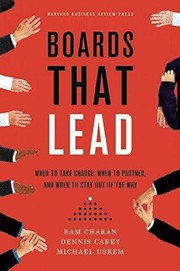
Now move to practice. Boards that lead by Ram Charan is the essential guide to when a board should take charge, partner, or step back. The Board Book by William Bowen distills decades of boardroom experience into practical wisdom, and Owning Up, also by Charan, presses directors on the accountability they too often duck. Together they show what a well-functioning board actually does.
Learn from failure
The cautionary tales are where governance becomes vivid. The Smartest Guys in the Room is the definitive account of Enron's collapse and the board that missed it. Power Failure traces GE's long unraveling, a study in oversight eroding over decades. Dear chairman by Jeff Gramm tells the history of shareholder activism through the letters activists wrote to boards — a brilliant, readable bridge to the next section.
The contested frontier
Finish with the live debates. The Activist Director by Ira Millstein makes the case for engaged, hands-on directors. Talent, Strategy, Risk argues boards should focus on the few things that truly drive value. And The shareholder value myth by Lynn Stout challenges the very premise that maximizing shareholder value is the board's job — a bracing note to end on, because it forces you to decide what governance is actually for.
Read in order, you get frameworks, then craft, then the failures and debates that test both. Follow the full path to see how the pieces connect.
Follow the full reading path →
Ready to learn something deeply?
Build a reading path — free