A coffee shop is two businesses wearing one apron. There is the craft — sourcing, roast selection, dialling in a grinder, milk technique, the sensory work — and there is the operation, which is a high-fixed-cost retail business with thin margins, heavy labour, long hours, and a lease you cannot exit. People who fail at this almost never fail at the coffee.
So the reading order runs craft first, because it is what motivates you and what your customers ultimately pay for, then straight into the commercial books. Do not stop after the coffee books. The single most useful thing on this path is the cash-flow discipline at the end.
Learn the product and the trade
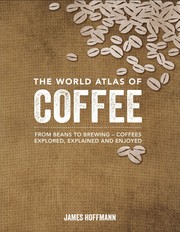
Start with The World Atlas of Coffee. It is the best general education in coffee available: origins, varietals, processing methods, roast, extraction, and brewing, all with enough rigour to make you a better buyer and enough clarity to be readable in a week. If you are going to sell coffee, you need to be able to taste and describe what you are selling.
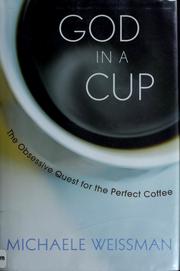
Then God in a cup, a reported narrative following three American roasters chasing exceptional lots at origin. It is the book that shows you the supply chain as a set of relationships and prices rather than an abstraction, which is directly relevant when you start negotiating with roasters or importers.
Write the plan and build the bar
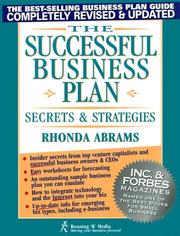
The successful business plan is the workhorse. Rhonda Abrams's structure — market analysis, operations, staffing, financials with real projections — is what a lender or landlord expects to see, and forcing yourself through it surfaces the numbers that decide whether the site works at all: rent as a percentage of projected revenue, covers per hour, average ticket, labour cost.
The professional barista's handbook is Scott Rao's technical manual for the bar itself: espresso extraction, grinder management, milk texturing, workflow, and bar layout. It is dry and it is precise, and it is the reference your staff training should be built on.
Hospitality, systems, and money
Setting the Table is Danny Meyer's account of building a restaurant group on what he calls enlightened hospitality, and it is the best book in the food trade on why service quality is a system rather than a personality trait. Cafes are repeat-visit businesses; the regulars are the entire margin, and this is the book about earning them.
The E-myth revisited addresses the failure mode specific to owner-operators: the technician who opens a business and ends up doing the job rather than running it, with no documented processes and no ability to take a day off. Gerber's prescription of building systems as though you intend to franchise is the right frame even if you only ever want one shop.
Finish with Profit First, a cash-management method built on allocating revenue into separate accounts before expenses rather than hoping profit remains at the end. The accounting is unorthodox and some bookkeepers dislike it, but for a cash-heavy low-margin business its behavioural core — pay yourself and your taxes first, run the business on what is left — is a genuine safeguard.
Two honest notes. None of these books cover your local licensing, health-code, food-safety certification, zoning, or lease law, and all of those are jurisdiction-specific and non-negotiable; you will need a local accountant and probably a lawyer. And no reading list changes the base rates in food service, which are unforgiving. If you are also considering a lower-capital route in, the starting a food truck hub is the natural comparison.
Follow the full path to read these in order.
Follow the full ordered path here: Best Books on Opening a Coffee Shop, in Reading Order.