Everyone sets goals; almost no one hits the ones that matter. The failure is rarely ambition and usually focus — too many priorities, fuzzy measures, and no system to translate a quarterly objective into what someone does on Tuesday. OKRs are one answer, but the framework only works when it sits on a foundation of motivation, strategy, and habit.
So read in order. Understand what actually drives sustained effort, learn to write and run OKRs, ground them in real strategy, and finally build the personal and organizational habits that carry a goal to completion.
Understand what drives focus
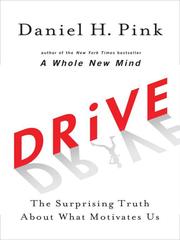
Start with Drive. Pink's synthesis of the motivation research — autonomy, mastery, purpose — explains why carrot-and-stick goal-setting backfires and what to build instead. Then The One Thing makes the case for radical prioritization: the discipline of choosing the single objective that makes everything else easier or unnecessary. Together they set the mindset OKRs need to succeed.
Learn the OKR framework
Now the mechanics. Measure What Matter is Doerr's foundational account of OKRs at Intel and Google, and it is the natural starting point for the method. Radical Focus dramatizes the same system through a startup story, making the cadence and pitfalls concrete. Go deeper with Objectives and Key Results for a rigorous how-to on writing and cascading them across an organization.
Ground goals in strategy
Goals detached from strategy are just wishes. Good Strategy, Bad Strategy teaches you to tell a real strategy — diagnosis, policy, coherent action — from a list of aspirations dressed up as one, so your objectives point somewhere worth going. Then The 4 disciplines of execution bridges strategy and delivery with its lead-measure and scoreboard approach to the "whirlwind" that swallows most plans.
Build the execution habits
Finally, make it stick. Atomic Habits supplies the personal systems that turn intention into daily behavior. High Output Management is Grove's classic on running teams by leverage and measurement, and Continuous Discovery Habits keeps your objectives honest by tying them to ongoing contact with real customer needs.
Follow the path in order and goal-setting becomes a system rather than a New Year's ritual. The related business, franchising, and financial-planning paths then apply that focus to the biggest goals you will ever set.
Follow the full reading path →
Ready to learn something deeply?
Build a reading path — free