OCD is one of the most misunderstood conditions, even by people who have it. Intrusive thoughts feel uniquely shameful, and the compulsions that soothe them quietly make everything worse. A clear reading order helps you see the mechanism, then learn the counterintuitive tools that actually work.
The arc goes from understanding intrusive thoughts, to the core evidence-based method (exposure and response prevention), to mindfulness-based approaches that sustain recovery. Reading in sequence keeps you from grabbing coping tricks that backfire.
Understand intrusive thoughts
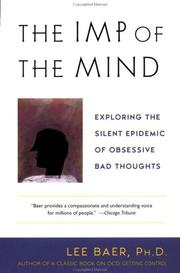
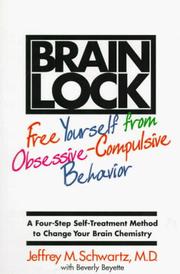
Start with Overcoming Unwanted Intrusive Thoughts, which explains why disturbing thoughts stick and why fighting them fuels them — the single most reassuring reframe for many sufferers. The Imp of the Mind goes deep on the "bad thoughts" that horrify people (violent, sexual, blasphemous), showing how common and meaningless they are. Brain Lock adds a four-step self-treatment method grounded in how the OCD brain works. Read together, they replace shame with understanding.
Learn the core method: facing fear
The gold-standard treatment for OCD is exposure and response prevention, and these books teach it. Freedom From Obsessive-Compulsive Disorder is a comprehensive, compassionate ERP-based program, and The OCD workbook is a structured, do-it-with-a-pen companion. Tormenting Thoughts and Secret Rituals gives a clear clinical picture of the many forms OCD takes. And Stopping the Noise in Your Head teaches a specific, engaging way to relate to anxious "what if" noise. This is the working core of the path — expect to do exercises, not just read.
Sustain it with mindfulness
Finally, build durability. The mindfulness workbook for OCD and Everyday mindfulness for OCD combine ERP with mindfulness and acceptance, helping you make peace with uncertainty rather than chasing certainty forever. Obsessive-compulsive disorder offers an accessible primer useful for younger readers or families wanting the basics. Read last, they help you stay well.
A firm honesty rail: OCD is a real medical condition, and ERP is best done with a trained therapist, especially for severe cases. These books are excellent adjuncts and can guide self-directed work, but they complement professional treatment — they don't replace it. If OCD is disabling or you have thoughts of self-harm, seek professional help now.
Follow the full reading path to move from understanding intrusive thoughts to the tools that loosen OCD's grip.
Follow the full reading path →
Ready to learn something deeply?
Build a reading path — free