New homeschoolers often start by buying curriculum, then feel overwhelmed and doubt themselves. The better starting point is mindset: confidence that you can do this, and a picture of what home education is actually for. Method and materials come after.
Reading in order builds that way — inspiration and reassurance first, then the range of philosophies and methods, then the practical business of learning styles and planning. You end up choosing an approach that fits your family instead of copying someone else's.
Build confidence and vision
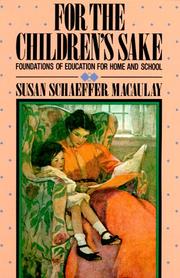
Start with Homeschool Bravely, which speaks directly to the fear and self-doubt that stop new homeschoolers, reframing "am I ruining my kids?" into something manageable. The Brave Learner then paints an inspiring, joyful vision of learning at home that isn't just school-at-the-kitchen-table. And For the children's sake offers a gentle, values-rooted philosophy of education as rich living. Together they answer "why" and "can I?" before "how."
Compare methods and philosophies
Now survey the approaches. The well-trained mind is the definitive guide to classical education, structured and rigorous. At the other end, Free to Learn makes the research case for self-directed, play-based learning. The Unhurried Homeschooler argues for a slower, less-pressured pace, and A Thomas Jefferson education presents the mentor-and-classics model. Reading these side by side reveals the real spectrum, from structured to child-led, so you can locate yourself on it.
Fit your child and plan it
Finally, get concrete. Discover your child's learning style helps you match methods to how your child actually learns, which prevents a lot of friction. Educating the WholeHearted Child offers a warm, whole-family framework, and The Homeschool Planner gives the practical tools to organize days and records without drowning in admin. Read last, these turn philosophy into a workable routine.
A brief honesty note: homeschooling is regulated differently everywhere, so check your local legal requirements — these books are about approach and pedagogy, not the specific laws where you live. And if your child has learning differences or special needs, loop in the appropriate specialists; the reading complements that support, it doesn't replace it.
Follow the full reading path to move from "can I do this?" to a homeschool approach and routine that fits your family.
Follow the full reading path →
Ready to learn something deeply?
Build a reading path — free