Depression narrows the world and makes self-help feel pointless, which is exactly when a clear reading order helps most. You don't need to read everything; you need to understand what depression is, then learn tools that actually have evidence behind them, in a sequence you can follow even on low-energy days.
The arc here moves from understanding, to core skills, to maintenance and self-kindness. Each stage makes the next more usable.
Understand what you're facing
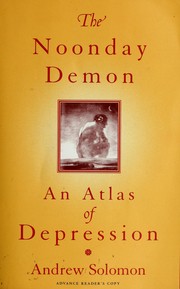
Start with The Noonday Demon, a sweeping, compassionate account of depression that helps you feel less alone and grasp its many faces. Reading it first replaces shame and confusion with a fuller picture. It's a wider lens before the practical work begins.
Learn the core CBT tools
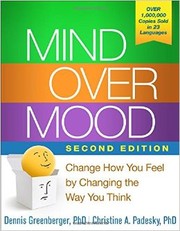
Cognitive behavioral therapy has the strongest self-help evidence, so this is the heart of the path. Feeling Good is the classic that teaches how to identify and challenge the distorted thoughts that fuel low mood — the single most recommended self-help book here. Mind over mood is a structured workbook that turns those ideas into daily exercises, and The feeling good handbook extends the toolkit to relationships and anxiety. Work through these actively, with a pen, rather than just reading.
Then broaden the approach. Behavioral Activation for Depression focuses on doing before feeling — scheduling small actions to break the withdrawal cycle, which is powerful when thoughts feel too heavy to tackle. The Depression Cure adds lifestyle levers (exercise, light, sleep, connection) with a clear program.
Build lasting habits and self-compassion
Finally, protect the gains. Self-Compassion teaches treating yourself with the kindness that depression erodes, a buffer against relapse. The Mindful Way Through Depression and The Mindfulness and Acceptance Workbook for Depression bring mindfulness-based approaches shown to reduce recurrence. Read last, they help you stay well, not just get well.
A firm and important honesty rail: depression is a medical condition, and books are not treatment. If you're having thoughts of suicide or self-harm, contact a crisis line or emergency services now. For persistent or severe depression, see a doctor or therapist — medication and professional therapy save lives. These books complement care; they never replace it.
Follow the full reading path to move from understanding depression toward tools and habits that help you feel better.
Follow the full reading path →
Ready to learn something deeply?
Build a reading path — free