The gut microbiome may be the most hyped topic in modern health, which is a shame, because underneath the hype sits genuinely revolutionary science. Trillions of microbes in your gut demonstrably influence digestion, immunity, and possibly mood. The problem is that the marketing ran years ahead of the evidence, and most people now learn about the microbiome from supplement ads.
That is why reading order matters unusually much here. Start with the popular protocols and you inherit conclusions before you can evaluate them. Start with the biology and every subsequent claim gets filtered through an actual mental model. This path builds the science first, then adds practice, then sharpens your skepticism.
Stage 1: meet your microbes
Start with Gut by Giulia Enders, a young German scientist's tour of the digestive system that is funny, clear, and rigorous. It makes the whole subject approachable without dumbing it down. Then go wider with I Contain Multitudes by Ed Yong, one of the finest science books of the past decade. Yong covers microbiomes across all of life and, crucially, models how to hold exciting findings loosely; he is honest about what is established versus preliminary.
Stage 2: the human evidence
The Good Gut by Justin Sonnenburg comes from an actual Stanford microbiome lab, connecting fiber, fermented food, and microbial diversity with the appropriate caveats attached. It is the most trustworthy practical book in the field. Then read The Mind-Gut Connection by Emeran Mayer, a gastroenterologist's careful treatment of the gut-brain axis, one of the most tantalizing and least settled areas of the science. Read it as a map of a live research frontier, not a set of conclusions.
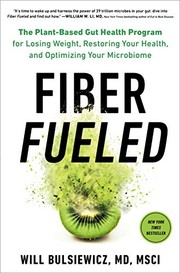
Fiber Fueled by Will Bulsiewicz translates the fiber-diversity research into an enthusiastic eating program. It is useful and motivating; just know that it is one clinician's program, more confident than the underlying evidence in places, and best read after Sonnenburg so you can tell which claims rest on what.
Stage 3: practice and skepticism
For the kitchen, The Art of Fermentation by Sandor Ellix Katz is the definitive reference on fermenting nearly anything, and fermented foods are one of the few interventions with decent evidence behind them. It is also simply a great book.
Finish with Spoon-Fed by Tim Spector, a genetic epidemiologist dismantling nutrition myths, including some the wellness industry built on top of microbiome science. Ending here resets your filter: after this book, you will be much harder to sell a probiotic to.
How to actually study this
For each practical claim you encounter, ask three questions: was this shown in humans or mice, was it an association or an experiment, and how big was the effect? The stage 1 books teach you to answer them. Meanwhile, the boring consensus, more plant fiber, more variety, some fermented foods, less ultra-processed food, is safe to start on day one. If you have actual digestive symptoms, or you are considering elimination diets or supplements, talk to your doctor first; books are for understanding, not diagnosis.
The full reading path stages all eight books with study plans. See related paths at the gut health hub, or explore Discover.