The single practical problem with Nordic noir is that almost all of it is series fiction, and the English translations were published out of order. Jo Nesbo's Harry Hole books arrived in English starting from the middle; the first two were translated only after the series became a hit. Readers routinely start with the famous title, hit references to events they have not read, and conclude the book is badly plotted when it is simply the seventh instalment.
The second thing to know is that the genre has a shared temperament rather than a shared formula. The detective is usually exhausted and socially marginal, the crime opens onto institutional failure rather than individual evil, and the landscape does real narrative work. If that appeals, the path below gives you the three canonical series in sensible order plus two strong outliers.
Start with Wallander
Faceless Killers is the correct entry point for the whole genre, not just for Henning Mankell. An elderly farming couple are murdered in rural Skane, one word is left behind, and the investigation runs directly into Swedish anxieties about immigration and rural decline. Kurt Wallander is the template the genre spent two decades copying: middle-aged, diabetic, divorced, bad at eating.
Dogs of Riga follows immediately, moving Wallander to newly post-Soviet Latvia and out of his competence. It is the book where the series' interest in the collapse of the old European order becomes explicit, and it is a good early test of whether Mankell's slow procedural pacing suits you.
Then Harry Hole, in a defensible order
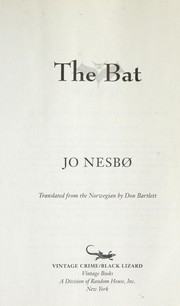
The Bat is chronologically the first Harry Hole novel, set incongruously in Australia, and was the last of the early ones to reach English. Read it for the character's origins while accepting that Nesbo had not yet found the series' register.
The Snowman is the most famous entry and the one most readers arrive for — a genuinely frightening serial-killer novel and the best-constructed of the lot. It is, however, the seventh book, and it spoils earlier developments. If you want the series intact, read The Redbreast before it: the wartime Norwegian-collaborator plotline is the strongest thing Nesbo has written and it sets up much of what follows. This path lists all three, so take the detour.
The Millennium trilogy and two outliers
The Stieg Larsson trilogy runs in strict order and should not be shuffled. The first, published in English as The Girl with the Dragon Tattoo, is really two books braided together — a locked-island family mystery and the introduction of Lisbeth Salander. The Girl Who Played with Fire drops the mystery structure and becomes Salander's story outright, and The Girl Who Kicked the Hornet's Nest resolves it as a conspiracy thriller about the Swedish security services. The original Swedish title of the first book translates as "Men Who Hate Women", which tells you plainly what Larsson was writing about; the trilogy contains sustained sexual violence and readers should know that going in.
Finish with two books that show the genre's range beyond Sweden and Norway. I remember you is Icelandic and openly supernatural — a ghost story braided with a police investigation, and genuinely unsettling. The keeper of lost causes opens Jussi Adler-Olsen's Danish Department Q series, which is bleak in the usual way but much funnier than its neighbours, largely thanks to the partnership at its centre.
Follow the full path to read these in order.
Follow the full ordered path here: The Best Nordic Noir Novels to Read First.
Ready to learn something deeply?
Build a reading path — free