A type 2 diagnosis usually arrives with a pamphlet of dos and don'ts and very little explanation. People follow the rules for a while, see mixed results, and lose motivation because they were never told why any of it matters. Managing blood sugar well means understanding the machinery underneath — insulin, resistance, and the daily inputs that move it. With that model, the diet and lifestyle advice stops being a list of prohibitions and becomes a set of levers you choose to pull.
The order below builds the mechanism first, then the practical control, then the wider lifestyle factors that quietly govern glucose.
Stage 1: understand the mechanism
Start with The diabetes code by Jason Fung, a clear argument that type 2 is fundamentally about insulin resistance and can often be improved through diet — a hopeful, mechanistic frame. Pair it with his The obesity code for the deeper story of insulin's role in fat storage, since the two conditions share wiring. Read these critically; they represent a strong point of view worth understanding alongside your clinician's guidance.
Stage 2: practical day-to-day control
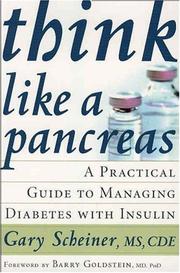
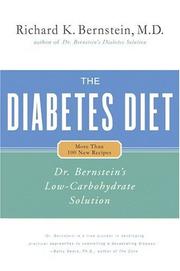
Now the operating manual. Think Like a Pancreas by Gary Scheiner is the most practical guide to managing blood sugar hour to hour, and The Diabetes Diet by Richard K. Bernstein lays out the low-carbohydrate approach that many people use to steady their numbers. Glucose Revolution by Jessie Inchauspé translates glucose science into simple everyday habits.
Stage 3: eat and live for metabolic health
Widen the aperture. Eat to Beat Disease by William W. Li connects food choices to the body's defense systems, and the lifestyle levers matter as much as the plate: Why We Sleep by Matthew Walker shows how poor sleep worsens insulin resistance, and The stress-proof brain by Melanie Greenberg addresses the stress that drives glucose up. Approach The metabolic approach to cancer by Nasha Winters as background reading on metabolism, not as treatment guidance.
How to study it
If you use a glucose meter or a continuous monitor, read with it running. Test how specific meals, walks, sleep, and stressful days move your numbers — personal data beats general rules every time and makes these books far more useful. Introduce changes one at a time so you can tell what works.
A caution that matters here: several of these books take strong dietary positions, and changing your eating can affect your medication needs quickly. Never adjust insulin or other diabetes medication on your own — hypoglycemia is dangerous. These books are education, not medical advice, and everything here should be coordinated with the clinician managing your diabetes.
The staged version, with a study plan per stage, is the full reading path. Browse the subject hub, or build your own list.
Ready to learn something deeply?
Build a reading path — free