The college admissions industry runs on panic, and panicked families make expensive mistakes: chasing prestige over fit, hiring consultants for problems a book solves, and treating the sticker price as the real price. The antidote is boring and effective: understand how the system actually works before you make a single decision inside it.
Order matters because each stage defuses the anxiety that sabotages the next. Learn how admissions offices really decide, and rankings lose their grip. Loosen the prestige obsession, and the essay becomes honest. Understand aid, and the price tag stops dictating the list.
Stage 1: see how the machine works
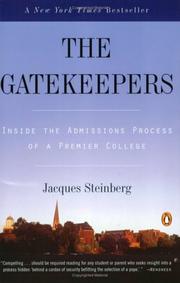
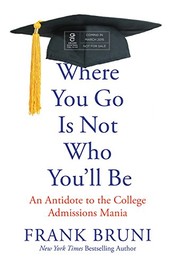
Start with The Gatekeepers by Jacques Steinberg, which follows an admissions officer through a full cycle at a selective college. It replaces mythology with reality: decisions are human, holistic, and shaped by institutional needs no applicant controls. Then read Where you go is not who you'll be by Frank Bruni, the essential deprogramming text. Bruni marshals the evidence that outcomes depend far more on what a student does at college than on the name on the gate.
Stage 2: build a smarter list
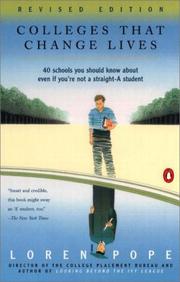
Colleges that change lives by Loren Pope profiles lesser-known schools with outsized track records for engagement and mentorship, and it will add names to your list you had never considered. Pair it with Admission matters by Sally P. Springer, a level-headed soup-to-nuts guide to the whole process, and The college solution by Lynn O'Shaughnessy, which uniquely merges the academic search with the financial one so you build a list you can actually afford.
Stage 3: the application itself
For the essay, On writing the college application essay by Harry Bauld remains the classic: a former Ivy admissions officer showing why safe, impressive-sounding essays die in the pile and how honest, specific writing stands out. Supplement it with The College Application Essay by Sarah Myers McGinty for structured guidance on prompts and drafts.
Stage 4: pay for it without wrecking the future
Paying for college without going broke by Kalman A. Chany is the standard annual manual on aid forms, timing, and legitimate strategies for improving eligibility; get a current edition, because the rules change. Then read Debt-Free U by Zac Bissonnette, a contrarian case that public universities plus hustle beat prestige plus loans. You do not have to fully agree with him for the argument to usefully reset your family's assumptions about debt.
How to actually study this
Parents and students should read in parallel and compare notes; half the value is having shared language before the stressful months. Sequence the reading against the calendar: stages one and two in sophomore or junior year, the essay books the summer before senior year, the money books before any early applications are filed, since aid strategy affects where you apply.
The staged plan lives at the full reading path. See related reading on the subject hub, or browse all paths.
Ready to learn something deeply?
Build a reading path — free