Street art can look like anarchy from the outside, but it has a deep lineage — from subway graffiti to sanctioned murals — and the work reads differently once you know that history. Skip the roots and you are left admiring images without understanding the movement that produced them.
A good order starts with the history and culture, moves through the major artists and debates, then turns to the practical craft of putting paint on a wall. Each book below fits one of those stages.
Learn the roots
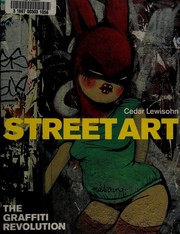
Start with The History of American Graffiti, a definitive visual history of the movement from its origins on trains and walls. Street art broadens the frame to the global street-art scene and how it grew out of and beyond graffiti. Trespass: A History of Uncommissioned Urban Art places it all in the wider tradition of unsanctioned public art, giving you the cultural and political context the images carry.
Study the artists and the debate
With the history in hand, look at the artists who defined the field. Wall and Piece collects Banksy's work and provocations, and OBEY documents Shepard Fairey's campaign-style practice — two very different models of the street artist. Os Gemeos showcases the Brazilian twins whose murals pushed the form toward large-scale storytelling. To think critically about all of it, Graffiti and Street Art gathers scholarly perspectives on meaning, legality, and value, so you can hold an informed view rather than just a reaction.
Make the work
Finally, turn to technique. The art of spray paint teaches the practical skills of the medium, from control to color. Mural Art: Murals of the Streets surveys ambitious mural work worldwide as both inspiration and reference. And The Mural Book focuses on the community-mural process — planning, surfaces, and collaboration — which is where much legal, paid mural work actually happens.
Read in this order and the movement's images gain their full weight. Follow the full path to move from admiring walls to understanding, and making, the work. A practical note: much street work is illegal without permission, so pursue commissioned walls and community projects to build a real practice.
Follow the full reading path →
Ready to learn something deeply?
Build a reading path — free