Theatrical set design is equal parts artist and engineer: you imagine a world, then you have to draft it, build it, paint it, and light it so it works safely on a real stage. That range means a reading order pays off, moving from the technical drawing and construction fundamentals up to the artistry and theory of scenography. This path organizes the craft from the ground up.
Start with the drafting and building skills that make ideas buildable, then rise toward design and concept.
Drafting and construction
Begin with Mechanical Drawing for the Theater by Darwin Reid Payne, which teaches the drafting language every set designer must speak, and Stagecraft fundamentals by Rita Kogler Carver, a broad introduction to how theater is actually built. Technical Design Solutions for Theatre by Michael Ramsaur then addresses the real engineering problems of getting scenery to work.
Model, paint, and light
Next, build the visual and spatial skills. The Stage Modelbook by Robert Motley teaches the scale models designers use to plan, Scenic Art for the Theatre by Susan Crabtree covers the scenic painting that gives a set its surface and depth, and Scene design and stage lighting by W. Oren Parker connects the set to the light that reveals it.
Design and theory
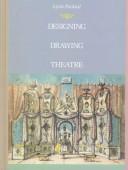
Finally, move from technique to vision. Designing and drawing for the theatre by Lynn Pecktal shows the design process through working professionals, What Is Scenography? by Pamela Howard reframes the whole discipline as the art of the theatrical space, and The scenographic imagination, also by Payne, deepens the conceptual side of the work.
Read in this order, you gain both the buildable skills and the artistic vision. Follow the full path, and draft and model alongside your reading.
Follow the full reading path →
Ready to learn something deeply?
Build a reading path — free