Molecular and cell biology explains how a strand of DNA becomes a living, dividing, communicating cell. The field is enormous and moves fast, so it is easy to get buried in molecular detail and lose the sense of wonder that draws people in. Reading in a deliberate order keeps both the rigor and the awe.
The path begins with accessible books that build intuition, moves to the definitive textbooks that anchor real study, and then goes deep on the specific machinery — genes, proteins, the cell cycle, and signaling. Follow it and the cell reveals itself as an information-processing machine of astonishing elegance. These books build scientific understanding, not medical advice.
Build intuition first
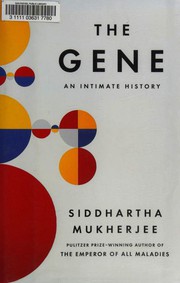
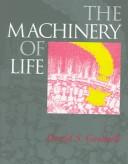
Start with The cell, an accessible and beautifully illustrated introduction to cellular structure and function, and The machinery of life, whose molecular illustrations make the crowded interior of a cell feel real. For the big-picture story of heredity told with unusual grace, The Gene traces the idea of the gene from Mendel to modern genomics — a narrative that gives the technical material meaning.
Anchor on the core textbooks
Now the definitive references. Molecular Biology of the Cell is the field's landmark textbook, comprehensive and clear, the book most serious students return to again and again. Pair it with Molecular cell biology for a complementary, equally rigorous treatment, and Molecular biology of the gene for the classic focus on how genetic information is stored, copied, and expressed. Molecular Biology Principles and Practice rounds out the core with strong coverage of the experimental methods that produced this knowledge.
Go deep on the machinery
With the core in place, specialize. How Proteins Work explains the molecules that do most of the cell's actual labor, and The Cell Cycle dives into how cells grow and divide with precise control — the process whose failure underlies cancer. Cell Signaling covers how cells sense and respond to their environment, the communication networks that coordinate everything a multicellular organism does.
Read in this order and molecular and cell biology stops being a flood of facts and becomes a coherent picture of life's machinery. Follow the full path from the shape of a cell to the signaling networks that run it.
Follow the full reading path →
Ready to learn something deeply?
Build a reading path — free