Microfinance started as an inspiring idea, that tiny loans could lift people out of poverty, and then spent decades being tested, praised, and challenged. The honest story is more complicated than the origin myth, which is exactly why reading in order matters: begin with the vision, then meet the economics and the evidence.
The path runs from the founding story, to how it works and how the poor actually manage money, to the practitioner view, to the broader debate.
The founding vision
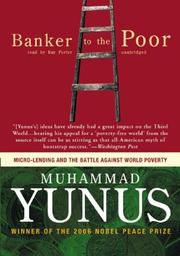
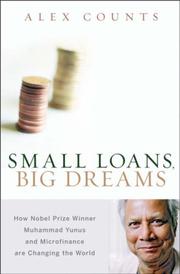
Start with Banker to the Poor by Muhammad Yunus, the Nobel laureate's account of Grameen Bank and the idea that launched the movement, and Small loans, big dreams by Alex Counts for its expansion and human stories. These give you the hope the rest of the path scrutinizes.
The economics and the reality
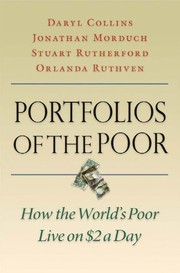
Next, the rigor. Portfolios of the poor by Daryl Collins is a landmark study of how poor households actually manage cash, and The Economics of Microfinance by Beatriz Armendariz is the standard analytical text. The Fortune at the Bottom of the Pyramid by C.K. Prahalad reframes the poor as a market, a provocative idea worth engaging critically.
Practice and honest debate
Now implementation and evidence. Microfinance for Bankers and Investors by Elisabeth Rhyne and her Reinventing Financial Inclusion cover the practitioner and industry view. Crucially, Poor Economics by Abhijit Banerjee and Doing Good Better by William MacAskill bring randomized-trial evidence and effectiveness thinking that temper the early claims, while A fistful of rice by Vikram Akula and The End of Poverty by Jeffrey Sachs supply on-the-ground and macro perspectives.
Read this way, you hold the aspiration and the evidence together rather than choosing one. If you want the impact-capital angle, the related impact investing path connects directly. Follow the full reading path to work through it in order.
Follow the full reading path →
Ready to learn something deeply?
Build a reading path — free